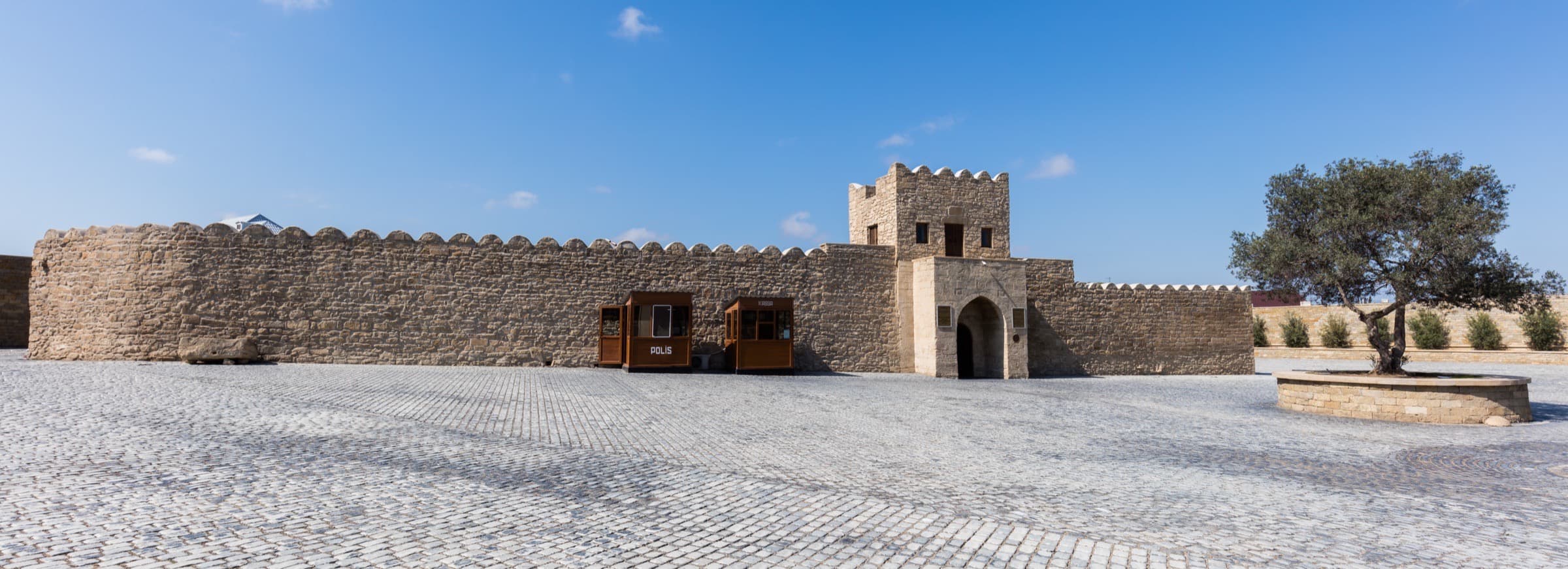
Ateshgah Fire Temple, Surakhani. Visit the museum-reserve and its courtyard within the hours and entry conditions published for your date. If you need a specialist explanation, a religious observance or access outside normal hours, request those separately; none is included by default.
Zoroastrian heritage · Ateshgah · Yanar Dag
Zoroastrian and fire heritage tours in Azerbaijan
Plan a group visit to Ateshgah, Yanar Dag and related heritage sites. Send your dates, group profile, dietary needs and learning goals; the written proposal will identify the visits, guides, access conditions and services that can actually be arranged.
Why these sites
Two different fire stories, one careful itinerary.
Azerbaijan Travel describes Ateshgah in Surakhani as a 17th–18th-century temple built around historic natural flames. It became a place of pilgrimage for fire-worshipping visitors from India. Today it is a museum-reserve, and UNESCO lists the site on Azerbaijan’s Tentative List—not on the World Heritage List.
The historic natural gas flames at Ateshgah are no longer the source of the visitor flame; gas is supplied to the present display. Yanar Dag is different: the flame on its hillside is fed by natural gas escaping from the ground. A useful guide should explain that distinction without claiming the two sites serve the same religious role.
The public visitor experience, a specialist lecture, a religious observance and a private session are four different requests. Tell us which matters to your group. Reserve permission, specialist availability, language, timing and any dietary arrangements must be confirmed for your dates before they appear as included services.
Route building blocks
Start with the two fire sites; add context when it fits.
Yanar Dag, Absheron. See the natural gas flame and the reserve exhibition. Check current opening hours, ticket type, group conditions and any photography rules before the itinerary is fixed.
Gobustan or a Baku museum. For a longer cultural programme, add rock art at Gobustan or a relevant museum visit in Baku. These are contextual additions, not Zoroastrian ritual sites; choose them around the group’s actual interests and available time.
Illustrative four-day outline
A route to price and confirm, not a booked departure.
Day 1. Arrive in Baku and transfer to the hotel named in the proposal. Review the group’s dietary requirements and the confirmed next-day meeting point.
Day 2. Visit Ateshgah during its confirmed visitor window. Add a specialist interpretation session only if the speaker, language, fee and site conditions are agreed in writing.
Day 3. Visit Yanar Dag and allow time for its exhibition. A Baku museum or Gobustan can be added if the drive, opening hours and interests make the day realistic.
Day 4. Use the final morning for a guided Baku heritage walk or a confirmed study session, then transfer to the airport against the actual flight time.
The quotation must list named hotels, transport, admissions, guiding, meals, optional specialists, exclusions and booking terms.
What the brief must settle
Four decisions that change the programme and its price.
Dietary requirements. Specify vegetarian, Jain or other restrictions precisely, including ingredients and preparation concerns. Ask the selected kitchen to confirm the menu and handling in writing; a generic vegetarian label is not enough.
Site access. Normal admission is not private or after-hours access. Confirm any requested reserve permission, approved timing, guide rules and fees before selling a special visit.
Religious or academic participation. State whether your group brings an officiant or lecturer, or asks us to source one. Identity, qualifications, availability, site permission, fees and any travel documents are separate confirmation items.
Guiding and operations. Request the guiding language, group size, transport standard and on-trip contact. The assigned people and coverage window belong in the dated proposal.
Who this is for
Pilgrimage planners, academic groups and cultural operators.
This page is for travel agencies and organisers planning Parsi or Zoroastrian-interest visits, university study tours and broader fire-heritage programmes. Different groups need different levels of religious interpretation, museum time and dietary control.
Birtour organises the complete Azerbaijan ground programme: hotels, airport and regional transfers, guides, meals, visits and on-trip operations. Send your dates, group profile and requested heritage activities for one itemised proposal.
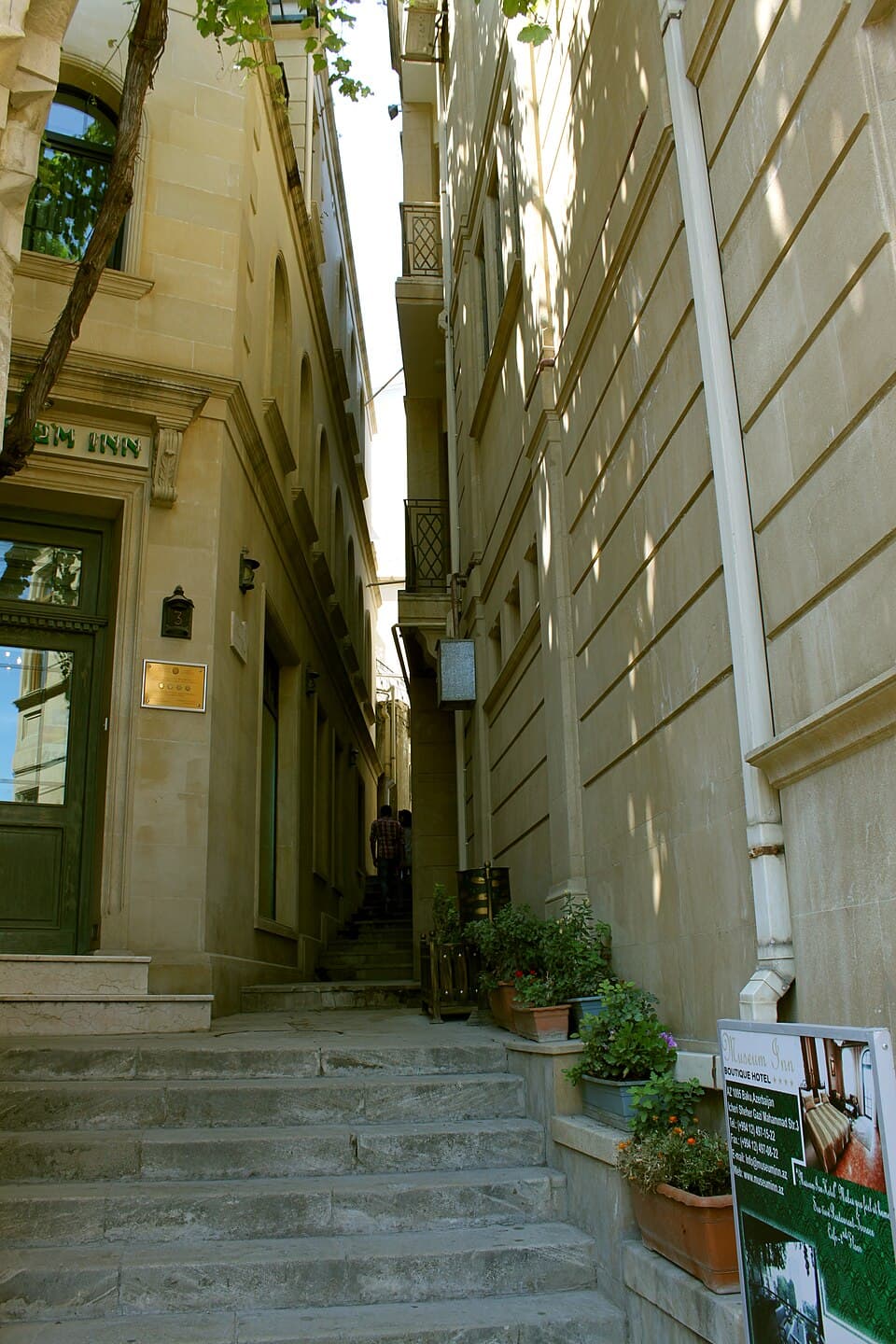
Baku, GMT+4Photo: Urek Meniashvili · Wikimedia Commons · CC BY-SA 3.0 · resized

What happens when you send an inquiry
From your brief to a confirmed programme.
Share your requirements, review the proposal and confirm the complete programme you want Birtour to manage and deliver.
- 01
Step 01
Agree who will manage your brief
Send your dates, group size and priorities. Include your decision deadline so we can discuss the proposal schedule with you.
- 02
Step 02
Tailored proposal arrives
Review the itinerary, prices, named suppliers and booking conditions. Ask for any changes before confirming.
- 03
Step 03
Operational handover
Before travel, confirm the supplier bookings, payment schedule and contact arrangements in writing.
Evaluate our proposal
Ask for the operating detail before deciding.
Send the same brief to every candidate. Compare the contracting company, daily route, named hotel and vehicle, guiding language, included admissions, requested specialist or observance, dietary confirmation and the person responsible for changes during travel.
Our team brings the route, accommodation, transport, guiding and guest requirements into one operating plan. The dated proposal confirms the included services and any special site-access arrangements for your programme.
Operator questions
What to verify before selling the programme.
The temple was built around historic natural gas flames, but those are no longer the source of the visitor flame. The present display is supplied with gas. The Ateshgah reserve and Azerbaijan Travel describe the site as a museum-reserve; do not sell it as a continuously operating ancient flame.
Yes. Azerbaijan Travel describes the hillside flame as fuelled by natural gas leaking from the ground. It is a different phenomenon and visitor experience from the present display at Ateshgah.
Often, yes, but the departure point, traffic, opening hours, group pace and any other stops decide the final schedule. Confirm the current visitor conditions before quoting the day.
Include the request in the brief. The named officiant, travel documents, venue permission, timing and fees need separate written confirmation. No standing relationship or minimum lead time is promised here.
Spring and autumn can be comfortable for outdoor visits, but choose dates around the group’s calendar, weather tolerance and current site hours. Summer heat and winter wind can change the daily pace.
A cross-border programme would require a separately confirmed operator and contract scope in each country, plus current entry and transport checks for every passport. This page does not offer a confirmed Iran extension.
Send the expected passenger count and any mobility needs. Vehicles, guides, hotel rooms and site conditions are checked for that exact group; this page does not publish a universal minimum or maximum.
An academic brief may prioritise more museum and interpretation time. A pilgrimage brief may need observance time, a named officiant and detailed dietary arrangements. State the purpose so the quote can separate confirmed inclusions from optional requests.
List the documents and coverage your organisation requires. Ask for the applicable policies, supplier responsibilities and contract terms for review before signing; no universal insurance level or pre-clearance is claimed on this page.
Sources and verification
Site-history facts were checked on 23 September 2026. Opening hours, special access and contracted services need a fresh check for your travel dates.
Other specialist programs
Operators that buy this also ask about these.
Tell us about your program
Send your brief to our Baku team.
Include your dates, party size and priorities. Choose the traveller or agency form to send the details relevant to your enquiry.