Do you need a Baku DMC? DMC vs in-house event planning
comparison · 8 min read
Use five factors to decide whether your team can run a Baku event directly or should contract a local DMC: group size, venues, arrivals, production and on-site cover.
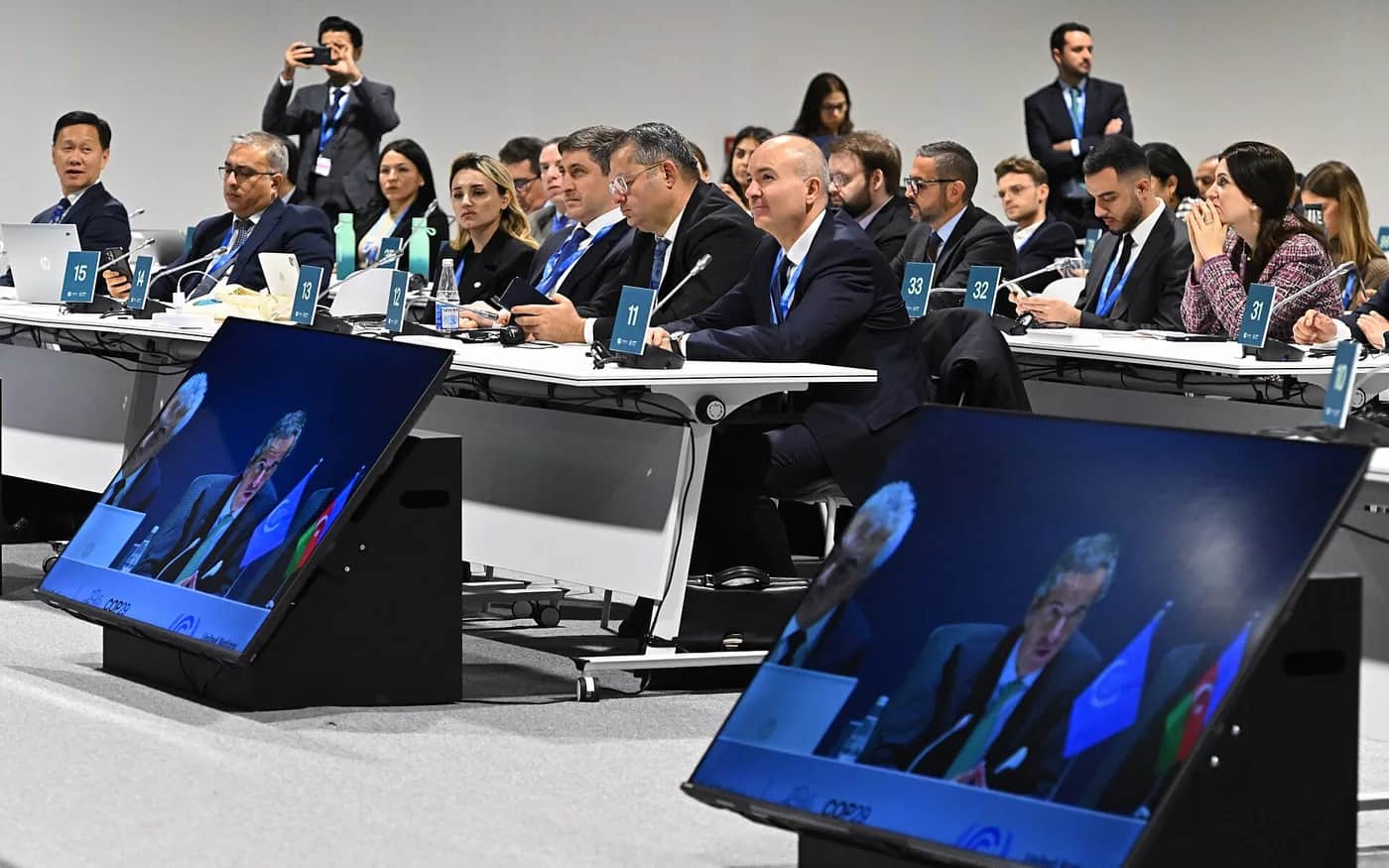

Birtour organises and delivers corporate events in Baku, from a meeting at one hotel to a programme spanning several venues. Event production, hotels, arrivals, transfers, guides and guest activities can form one integrated brief. Use the five-factor matrix below to decide which responsibilities your internal team will retain and which Birtour will deliver.
Do you need a Baku DMC or can your team plan in-house?
Score the programme on five factors. One complex factor means compare both routes. Two or more usually justify a DMC proposal alongside direct supplier quotes. This is a sourcing rule, not a claim that one model is always cheaper.
| Decision factor | In-house is realistic when | Compare a Baku DMC when |
|---|---|---|
| Group and arrivals | A small group arrives in one or two waves | A larger group has staggered flights, VIPs or several hotels |
| Venues | One hotel contains the meeting, meals and rooms | The programme moves between hotels, venues or off-site dinners |
| Production | The venue's standard AV and catering are enough | Staging, interpretation, branding, streaming or specialist suppliers are needed |
| Local coordination | Your team can inspect and contract every supplier | You need local checks, transport routing or one on-site operations lead |
| Internal capacity | An experienced planner can own the file and travel | The programme competes with the team's normal work or needs local cover |
Why the Baku decision is a verification problem before it is a service problem
Start by comparing service scope and the evidence behind it. Azerbaijan does not issue a special tour-operator licence, guide certification is voluntary, and the official business-events partner page is a curated shortlist rather than a record of programme outcomes. Whatever you contract, credentials are only one check.
- No special tourism-activity licence exists. The State Tourism Agency's FAQ says no special consent or licence is required for hotel and tourism activity. Ask for the contracting entity, tax details and invoice format instead of accepting a “licensed DMC” badge.
- The official lists are useful but limited. Azerbaijan Business Events publicly names PCO, venue and hotel partners, while its introduction also mentions DMCs. The Tourism Board's separate incoming travel agencies directory describes agencies that arrange transfers, accommodation, activities, conference venues and gala dinners. Check the current entries in the relevant category, then ask each candidate for the same programme-specific evidence. A category listing alone does not prove fit, insurance, availability or delivery quality.
- Venue certification is a separate check. The retrieved State Tourism Agency notice is dated 25 May 2023 and cites a 2 May 2023 decision. Ask for the current certificate and criteria for the specific property.
What does a DMC actually do that a direct booking does not?
Birtour organises and delivers the complete programme: event planning and production, venues, hotels, arrivals, transfers, guides, dining and on-site operations. The written proposal defines the scope and responsibilities for your event. A proposal should name which suppliers are direct, who files each permit, who is present on site and when the support line is staffed.
Booking a hotel block from abroad gets you the rooms and terms in that contract. It does not automatically coordinate the other suppliers or the movements between them. The execution layer is set out in our Baku ground handling guide.
Is a DMC more expensive than booking direct?
There is no universal answer. Compare the same scope: supplier prices, management fee or markup, tax, staffing, transport, cancellation exposure and the coordination hours your own team would absorb. A lower hotel line can still be the more expensive programme if production, movements or support are excluded; a DMC quote can also be higher than direct booking on a simple one-hotel meeting.
Use our corporate offsite cost checklist to request a dated quote on the same basis. The MICE cost-data guide explains the limits of the retained sample; its alternatives are not independent market benchmarks.
What goes wrong when a program is run remotely?
Remote planning concentrates responsibility inside your team. A DMC changes who coordinates the work, but only when the proposal and contract allocate that responsibility clearly. Compare these five lines rather than assuming the supplier label solves them.
| Risk | Running it in-house from abroad | With a ground DMC |
|---|---|---|
| Supplier quality | Your team sources, checks and contracts each supplier | Ask which suppliers are direct or subcontracted and how they were checked |
| Permits | Your team identifies the rule, applicant and deadline | Confirm which filings the DMC owns and which remain with the venue or client |
| Language | Confirm what the venue and each supplier can support | Confirm required guide or interpreter languages for the dates |
| A problem mid-program | Name the internal owner and their working hours | Name the local owner, on-site windows and escalation hours in writing |
| Cancellation | Compare each supplier's own terms | Check whether the DMC contract consolidates terms or passes them through |
These differences only become useful when the quotation names the owner, timing and commercial terms for each line.
What can you verify before appointing a Baku DMC?
Start with public sources, then verify the programme-specific facts in writing. The official partner page, venue sites and regulator pages answer different questions; none replaces contracting checks.
| What to check | Evidence to request |
|---|---|
| Business-events shortlist | Review the MICE partner roster and the separate incoming-agency directory; compare companies beyond both lists as well |
| Legal identity and payment | Contracting entity, tax details, invoice format and matching bank beneficiary |
| Comparable delivery | Two references near your group size and programme type, with permission to contact them |
| Venue | Published capacity plus a dated hold or offer for the exact room and setup |
| Operating responsibility | Named lead, on-site windows, escalation hours, direct and subcontracted suppliers |
| Commercial exposure | Itemised inclusions, tax, payment dates, cancellation ladder and force-majeure wording |
Published room capacity is useful, but it is not availability. Confirm the exact setup, production footprint and hold date in the venue offer. Our source-by-source room comparison sits in the Baku venues catalogue.
How should you assign permit and approval work?
Name the venue, activity, filming equipment and production effects in the brief. For each item, ask the proposed operator to identify the current authority or venue approver, applicant, required documents, written decision and fallback. The event logistics guide links to the official UAV service and separates it from venue, work-authorisation and production questions. A DMC can coordinate enquiries; no supplier label guarantees an approval or a fixed clock.
When should you just do it in-house?
A small group, an English-speaking audience, a single hotel you already know, and no production or permit requirements: an experienced in-house team can and should run that directly. The case for a ground partner grows with headcount, multi-venue rotation, mixed nationalities, permits, and any production beyond a dinner.
For an international group, add travel documentation and arrival waves to the decision. Check each traveller's current entry route against their passport, residency, purpose and dates before ticketing; do not assume one rule for all delegates. A small single-property retreat may be manageable internally, while a conference with breakouts, interpretation and a gala needs a named owner for each workstream.
How do you decide between a DMC and in-house?
Use the five-factor matrix at the top of this page. If the programme is simple on every line, plan it directly. If one line is complex, compare both routes. If two or more are complex, obtain a DMC proposal and direct supplier quotes for the same scope before deciding.
For the work itself, the how to plan a corporate event in Baku guide walks the 12-week countdown, and how to choose an Azerbaijan DMC covers what to ask once you have decided to contract one.
What should the programme proposal confirm?
Compare proposals for the same dates, delegate numbers and service scope. Request relevant programme references, a named operating contact and an itemised plan covering event production, hotels, transfers and the guest programme.
For cross-border travel, confirm each delegate's documents and current carrier and entry requirements before booking. For venue permissions, identify the required approvals, responsible applicant and status in the proposal.
For procurement teams costing a specific Baku brief, use the corporate offsite cost breakdown, then send the same scope through the Baku event-management service for a dated proposal. If the programme includes regional overnights or a wider incentive route, use the Azerbaijan MICE service. Recheck volatile supplier and travel information when the dates and delegate mix are known.
- Is a DMC more expensive than booking suppliers directly?
- There is no universal answer. Compare the same scope: supplier prices, management fee or markup, tax, staffing, transport, cancellation terms and the hours your own team would spend coordinating the programme. Ask for an itemised quotation and compare it with direct quotes before deciding.
- When does planning in-house actually make sense?
- For a small group, an English-only audience, a single familiar hotel, and no production or permit requirements, an experienced in-house team can run a Baku trip directly. The case for a DMC grows with headcount, multi-venue logistics, mixed nationalities, permits, and any production beyond a dinner.
- What does a DMC handle that a direct booking does not?
- Birtour organises and delivers event planning and production, venues, hotels, arrivals, transfers, guides, dining and on-site operations under one programme. Support hours, named staff, permit responsibilities, cancellation terms and supplier status still need to be written into the dated proposal.
- Do you need a licensed DMC in Azerbaijan?
- There is no such licence to hold. The State Tourism Agency's own FAQ states that no special consent or licence is required for tourism activity, following the presidential decree on licensing of 21 December 2015; the only stated requirement to open a tour company is a tax number. Tourist-guide certification is voluntary. So a supplier advertising itself as licensed is describing something the state does not issue.
- Can a foreign buyer check an Azerbaijani DMC against an official register?
- Azerbaijan Business Events publishes a MICE partner page with a named PCO roster and venues. The Tourism Board also has a separate incoming-travel-agencies directory. These are different categories, not performance rankings. Check legal identity, scope, insurance where required, named staff, written terms and comparable references.
Pricing
Corporate offsite in Baku: cost components for a 50-person programme
Guide
How to plan a corporate event in Baku: a planner's guide
Guide
How to choose an Azerbaijan DMC: a buyer due-diligence checklist
Guide
Baku ground handling for groups and MICE: what an operator gets on the day
Guide
Baku Conference Venues and Meeting Rooms: 14 Candidates to Compare
Guide
Baku MICE costs: how to compare conference and event quotes