Lake Goygol & National Park: the earthquake-formed alpine lake near Ganja
Ganja · about 4.5 hours from Baku; 15 to 30 minutes from Ganja from Baku
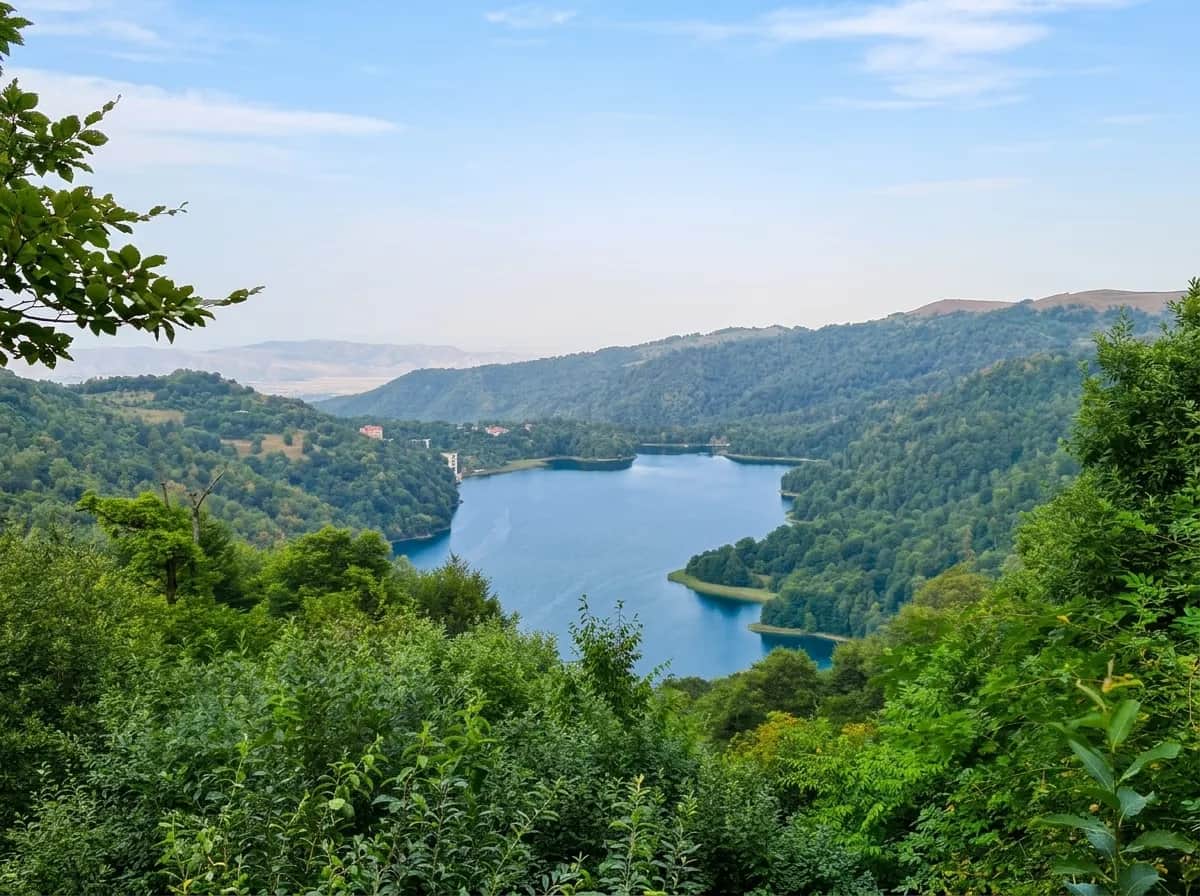
Lake Goygol (Göygöl, meaning blue lake) is an alpine lake in the Lesser Caucasus near Ganja, formed on 30 September 1139 when the Ganja earthquake collapsed part of Mount Kapaz and dammed a river. It sits at about 1,553 m, reaches roughly 96 m deep, and is the centrepiece of Goygol National Park, a state reserve from 1925 and a national park since 2008. Entry is 2 AZN per person, the same for citizens and foreigners, and the park is open 09:00 to 18:00 to ecotourists.
- Region
- Ganja
- From Baku
- 370 km · about 4.5 hours from Baku; 15 to 30 minutes from Ganja
- Best season
- Late spring to autumn
- Time to spend
- Half a day; a full day with the Maralgol hike
- Entry
- Checked 11 August 2026: 2 AZN per person, the same figure for citizens and foreigners, with 25 percent of that for university students and people with disabilities. Preschoolers, school groups with a teacher and war veterans enter free. No per-vehicle charge is published
- Hours
- 09:00 to 18:00 for ecotourists, per the Ministry of Ecology. There is no separate visitor permit: the fee is paid by bank transfer or online, and the receipt is shown with an ID document at the park entry point
- The clear blue alpine water sitting below the broken face of Mount Kapaz
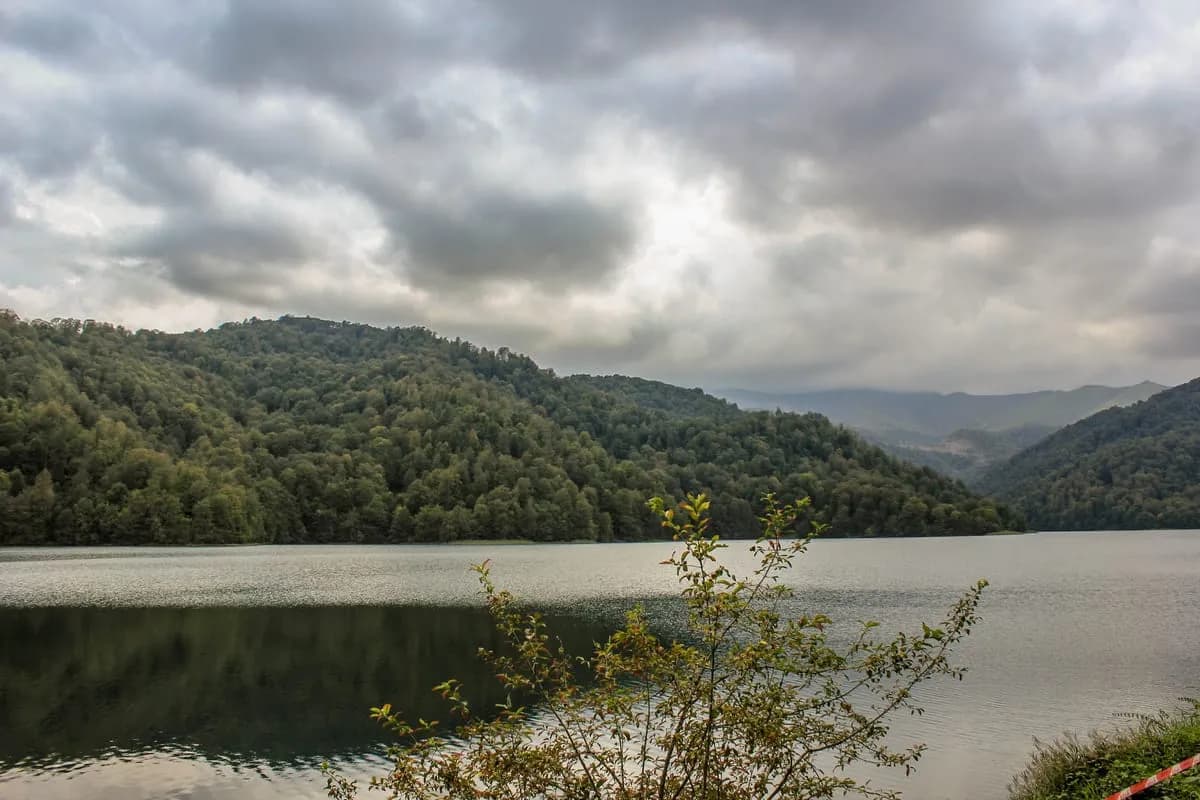
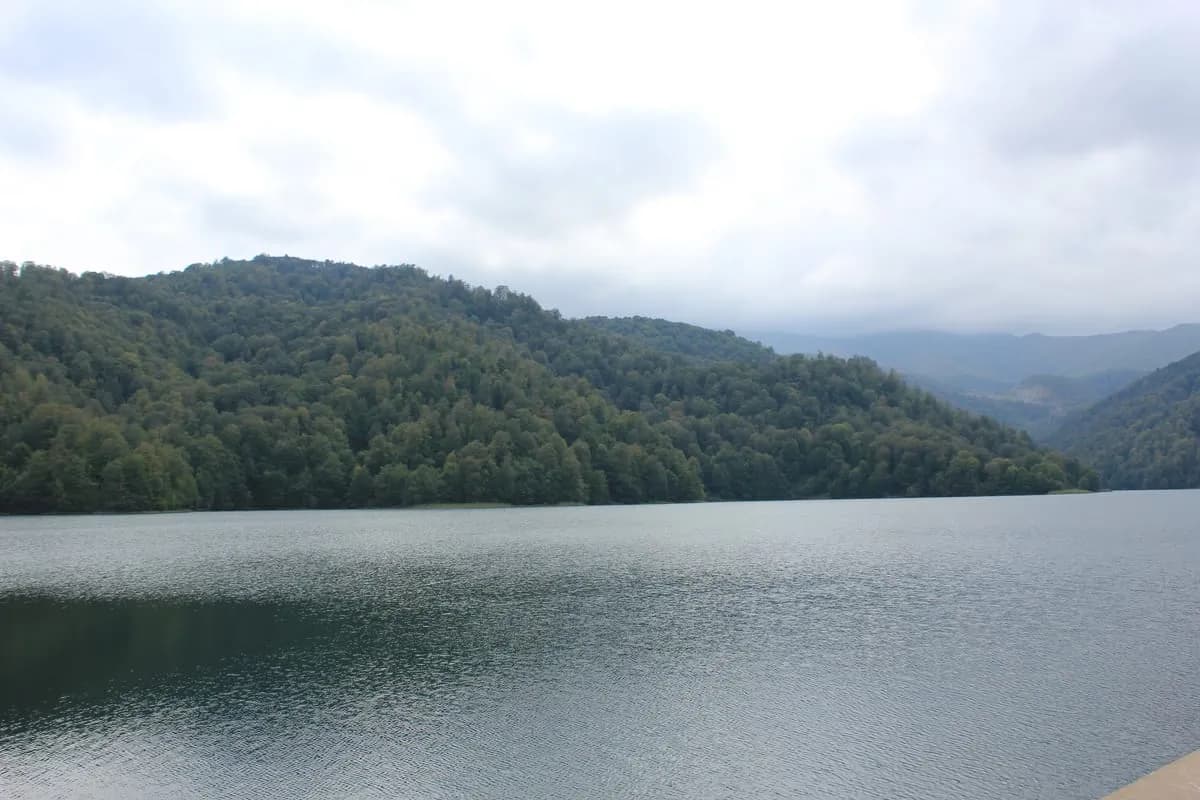
- Lakeside walking on the wooded shore at around 1,553 m
- The hike up to the higher Lake Maralgol inside the same national park
- A 12,755-hectare park spread across the Goygol, Dashkasan and Goranboy districts
- A shoreline restaurant and viewpoints over the water
Lake Goygol is usually a short trip out of Ganja, and the draw is simple: a clear blue lake sitting in mountain forest, with the broken face of Mount Kapaz rising straight above it. The lake is young by geological standards, the road in is easy, and the air at altitude is a relief from the lowland heat. The access question is where most travellers get caught, so we re-read the Ministry of Ecology's own ecotourism page on 11 August 2026. The short version: 2 AZN a head, 09:00 to 18:00, and no permit.
How was Lake Goygol formed?
The lake is the result of a single catastrophe. On 30 September 1139, a massive earthquake struck near Ganja and brought down part of Mount Kapaz. The fallen rock dammed a river in the valley, and the water backing up behind that natural barrier became Göygöl, which means blue lake.
Sources do not fully agree on which river was dammed, so it is fair to say only that a river was blocked. What is settled is the date and the mechanism: a landslide dam thrown up by the 1139 quake, not 1138 as some pages state.
Do you need a permit for Lake Goygol?
No. There is no border-zone pass, no research permit, no special authorisation for an ordinary visit. What exists is an entry fee set under Ministry of Ecology Order No. 023/ü of 16 January 2012, and the paperwork people remember as a permit is the payment receipt.
This is the single fact on this page most worth getting right, because the wrong version of it changes how people plan. Blog posts written between roughly 2015 and 2022 describe permits obtained in Ganja, letters from the ministry, and days of lead time. What those accounts are describing is the payment mechanic: the fee is settled by bank transfer, and the receipt is then presented with an ID document at the park entry point. There is now an online route as well, through the ministry's e-xidmet.eco.gov.az service, linked from the state national-parks portal as the ticket option.
Practically, that means two things. You cannot pay cash at a window and walk in as you would at a museum gate, so turning up cold is still the way to get turned around. And a Ganja-based driver or guide handles this as routine, which is the honest reason to go with one rather than the vague warning about changing rules that most pages give you.
How much does Lake Goygol cost, and what time does it open?
Two AZN per person, the same figure for citizens and for foreign visitors, with 25 percent of that for university students and people with disabilities. The park is open 09:00 to 18:00 to ecotourists. Both numbers come from the Ministry of Ecology's own page and were re-read on 11 August 2026.
| Goygol National Park, published August 2026 | Figure |
|---|---|
| Entry, per person, citizen or foreigner | 2 AZN |
| University student, person with a disability | 25 percent of the standard fee |
| Preschoolers, school groups with a teacher, war veterans | Free |
| Park and government staff on duty, contracted researchers | Free |
| Hours for ecotourists | 09:00 to 18:00 |
| Per-vehicle charge | Not published |
That last row deserves a word. Travellers report a charge per car at the entry point, and it may well exist, but the ministry publishes a per-person fee and nothing else. We are not going to invent a figure for a car, so budget for the people and ask at the gate about the vehicle.
The identical price for foreigners is worth noticing too. Most Azerbaijani reserves moved foreign adults to 15 AZN on 1 January 2026 while leaving local prices alone. Goygol sits under a different ministry and did not follow, so a foreign visitor pays what a resident pays.
Where is Lake Goygol, and how do you get there?
Lake Goygol lies about 30 km south of Ganja in the Lesser Caucasus, a drive of roughly 15 to 30 minutes on a paved road. From Baku it is around 370 km, or about 4.5 hours by car, which is why almost no one comes as a day trip from the capital. The usual base is Ganja.
From there a private car, taxi, or guided trip gets you to the lake easily, and many travellers fold it into a wider loop. We run it as the final day of our 6-day Azerbaijan cultural tour, pairing the lake with the city itself and reaching it from the oil-spa town of Naftalan the previous night.
What is Goygol National Park?
Goygol National Park grew out of one of the oldest protected areas in the country. The land was first set aside as a state reserve in 1925, and the modern national park was declared in 2008, so the two designations are not the same thing. The park covers 12,755 hectares across the Goygol, Dashkasan and Goranboy districts.
Beech and oak forest runs up the slopes of the northern Lesser Caucasus, and several lakes sit inside the boundary. The higher Lake Maralgol is in the same park and is the goal of the longer walk for visitors who want more than the shoreline. The 09:00 to 18:00 window applies to the whole park, not only the lakeshore, which is what makes the Maralgol climb a morning decision rather than an afternoon one.
What is there to do at the lake?
For most visitors it is a half-day of walking and looking. You can follow the wooded shore at around 1,553 m, take in the view across the water to Mount Kapaz, which rises to roughly 3,066 m, and stop at the lakeside restaurant for tea or a meal. The water reaches about 96 m at its deepest.
Walkers with a full day can add the climb to Lake Maralgol higher in the park. On the timing, the best hour at the shore is the first one after opening. The water reads bluest with the sun still low and off the surface, the restaurant is empty, and the summer-weekend coach parties have not arrived. By noon in July the light is flat on the water and the car park is full.
When is the best time to go, and can you swim?
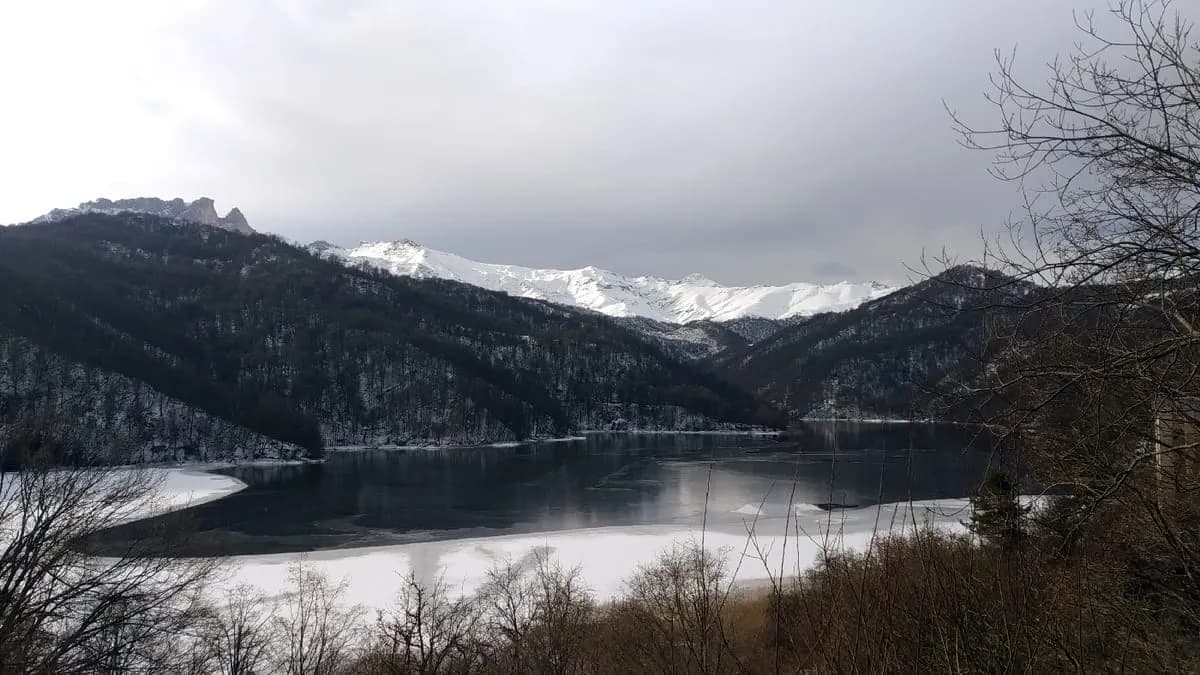
Late spring through autumn is the season. The road is open, the forest is at its best, and the altitude keeps things cool when Ganja is hot. Winter brings snow and tougher access at 1,553 m. Swimming is generally not allowed: the lake is protected parkland and the water is cold and deep.
Plan to walk and photograph rather than bathe. For operators sequencing group departures across a whole year rather than booking one trip, our month-by-month planner's calendar sets the western legs against the hotel-squeeze weeks. From the lake, most travellers also take in nearby Ganja and the Nizami Ganjavi Mausoleum on the city's approach.
What we would not recommend
Three things. Do not attempt Goygol as a day trip from Baku. Do not arrive after 16:00 and expect to see anything but the car park. And do not plan a summer Saturday here if a quiet lake is the point.
On the Baku day trip, 370 km each way is nine hours in a vehicle for a park that closes at 18:00. If Ganja is not already in your route, the honest answer is to leave the lake out rather than gut the day around it.
On the timing, the 18:00 close catches people who read the lake as open countryside. It is a managed national park with a staffed entry point, and the Maralgol walk needs to start in the morning. If your western leg is running late out of Sheki, the fix is to move Goygol to the next morning rather than to squeeze it, and to spend the afternoon on Khalkhal Waterfall or in Ganja instead.
- How was Lake Goygol formed?
- It formed on 30 September 1139, when the Ganja earthquake collapsed part of Mount Kapaz. The fallen rock dammed a river in the valley below, and the trapped water gathered into the lake you see today. It is a natural landslide dam, not a man-made reservoir.
- How much does it cost to enter Lake Goygol?
- The Ministry of Ecology's published ecotourism fee, re-read on 11 August 2026, is 2 AZN per person, and it is the same figure for Azerbaijani citizens and for foreign visitors. University students and people with disabilities pay 25 percent of that. Preschoolers, school groups accompanied by a teacher, and war veterans enter free.
- Do you need a permit for Lake Goygol?
- No. There is no border-zone pass, research permit or special authorisation for an ordinary visit. What exists is an entry fee, set under Ministry of Ecology Order No. 023/ü of 16 January 2012: you pay it by bank transfer and present the receipt with an ID document at the park entry point, or buy online through e-xidmet.eco.gov.az. Older accounts describing a permit are describing the payment step.
- What time does Goygol National Park open?
- 09:00 to 18:00 for ecotourists, per the Ministry of Ecology. That is a shorter day than most visitors expect at a lake, and it is the reason an early start beats a leisurely one. Arriving after 16:00 leaves too little for the shoreline walk, let alone the climb to Maralgol.
- How do you get to Lake Goygol?
- The lake sits about 30 km south of Ganja, a 15 to 30 minute drive on a paved road. From Baku it is roughly 4.5 hours by car. Most visitors base themselves in Ganja and reach Goygol by private car, taxi, or a guided day trip, often paired with the city itself.
- What is there to do at Lake Goygol?
- Most people come to walk the wooded shoreline, photograph the blue water under Mount Kapaz, and eat at the lakeside restaurant. The more active option is the climb to the higher Lake Maralgol in the same park. It is a half-day at the lake, a full day with the Maralgol hike.
- What is the best time to visit Lake Goygol?
- Late spring through autumn is the window. The road is clear, the forest is green, and the air at altitude stays cool. Winter brings snow and harder access at around 1,553 m. Summer weekends draw local crowds, so an early start or a weekday makes for a quieter visit.
- Can you swim in Lake Goygol?
- Swimming is generally not permitted: the lake sits inside a protected national park with its own conduct rules, and the water is cold and deep, reaching roughly 96 m. Treat it as a place to walk, look, and photograph rather than to bathe, and check the current rules at the entry point.
Tour package
6-Day Azerbaijan Cultural Tour from Baku
Destination
Things to Do in Ganja, Azerbaijan: a one-day city guide
Destination
Nizami Ganjavi Mausoleum near Ganja: visitor guide
Destination
Naftalan: Azerbaijan's medicinal crude-oil spa town
Destination
Khalkhal Waterfall: how to visit the Oghuz forest cascade near Sheki
Guide
Best time to run a group program in Azerbaijan: a month-by-month planner's calendar