Gobustan Rock Art: petroglyphs, museum, and how to visit
Gobustan town · about 1 hour to 1 hour 15 from Baku
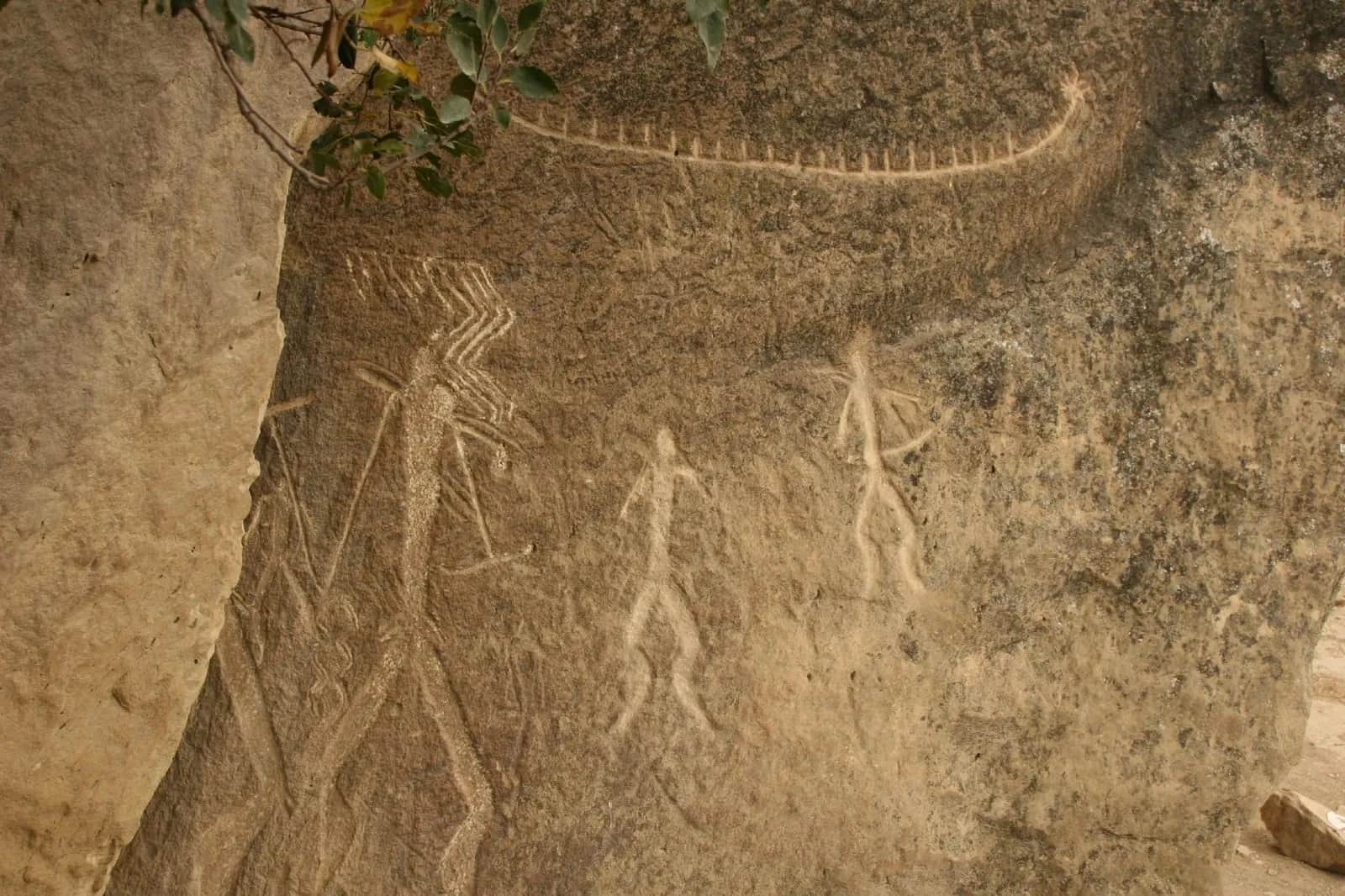
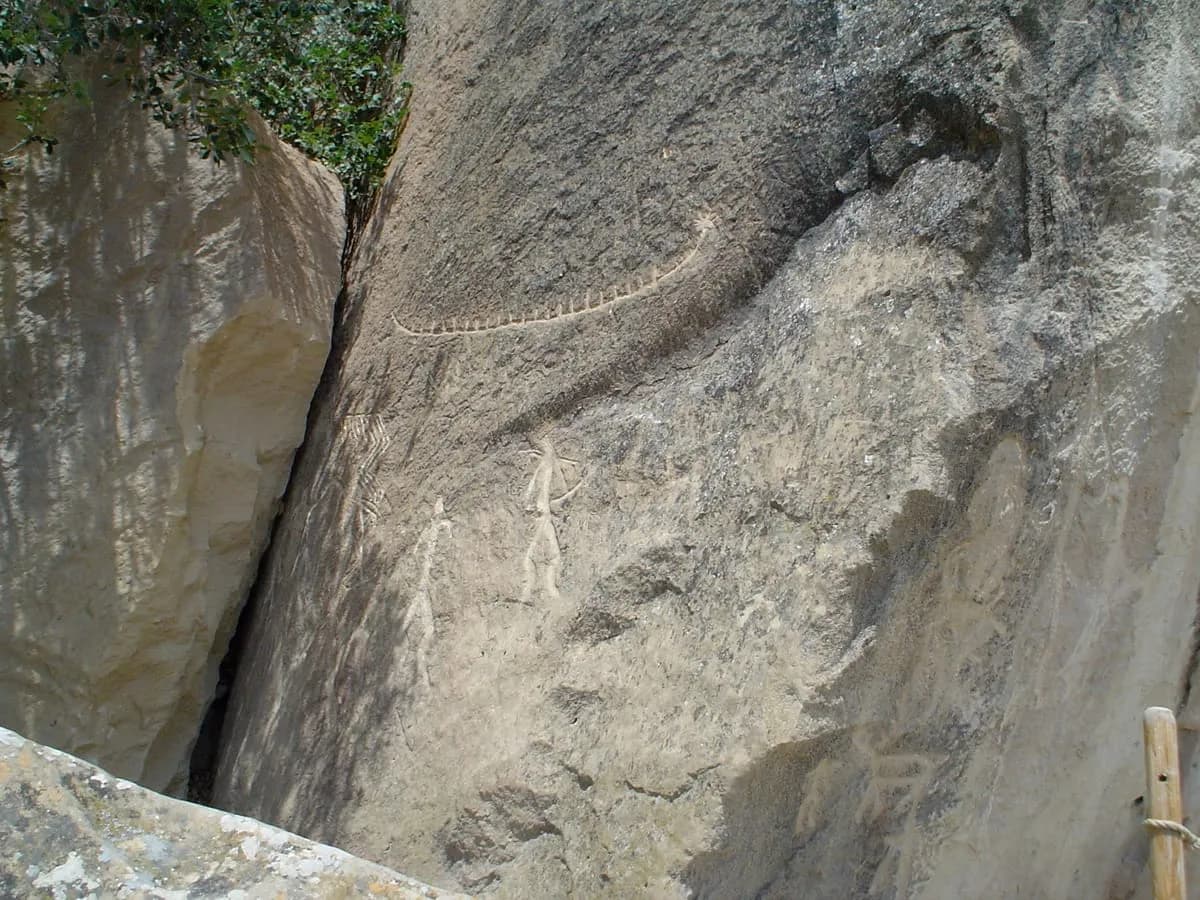
Gobustan Rock Art is an open-air reserve about 64 km south of Baku holding more than 6,000 prehistoric engravings cut into a boulder-strewn plateau over tens of thousands of years. The carvings show hunters, dancers, reed boats and wild cattle, and the site was inscribed as a UNESCO World Heritage cultural landscape in 2007. The gate opens 10:00 to 17:00 every day of the week.
- Region
- Gobustan
- From Baku
- 64 km · about 1 hour to 1 hour 15
- Status
- UNESCO World Heritage (2007)
- Best season
- Spring and autumn; the plateau is open and shadeless
- Time to spend
- About 2 hours with the museum
- Entry
- Ticketed. Checked 11 August 2026: iTicket.az publishes a 1 to 15 AZN band by visitor category and does not break out the split, so treat 15 AZN as the working foreign-adult figure and confirm at the window. No combined ticket exists with the mud volcano complex.
- Hours
- Daily 10:00 to 17:00, all seven days of the week, with no published day off. Ministry of Culture wording and the iTicket.az session grid, both re-read 11 August 2026
- Marked petroglyph trail across the Boyukdash plateau, with carvings of hunting scenes, boats and round-dances
- The Gaval Dash, a flat slab that rings like a tambourine when struck
- The Petroglyph Museum, with interactive exhibits and a 3D film on the carvings
- A first-century Roman inscription at the foot of the rocks, left by a passing legion
- Dated, timed entry sessions sold through iTicket.az, with no weekly closing day
The Gobustan Rock Art Cultural Landscape sits 64 km south of Baku on a boulder plateau above the Caspian, and holds more than 6,000 engravings cut into over a thousand rock faces across roughly 40,000 years. UNESCO inscribed it in 2007 under criterion (iii). The gate runs 10:00 to 17:00 every day of the week with no closing day, and sells dated sessions through iTicket.az. Birtour has been running guided mornings here as a Baku DMC since 2014, almost always paired with the mud volcano field further south. What follows is what the hours and the ticket actually are in August 2026, what you see on the ground, and the two things visitors reliably get wrong about the site.
What is Gobustan Rock Art?
Gobustan is an open-air archaeological reserve on three outcrops, Boyukdash, Kichikdash and Jingirdagh, between the Greater Caucasus foothills and the Caspian Sea. It protects over 6,000 engravings on more than a thousand rock surfaces, alongside caves, settlement traces and burials. UNESCO inscribed it as a cultural landscape in 2007.
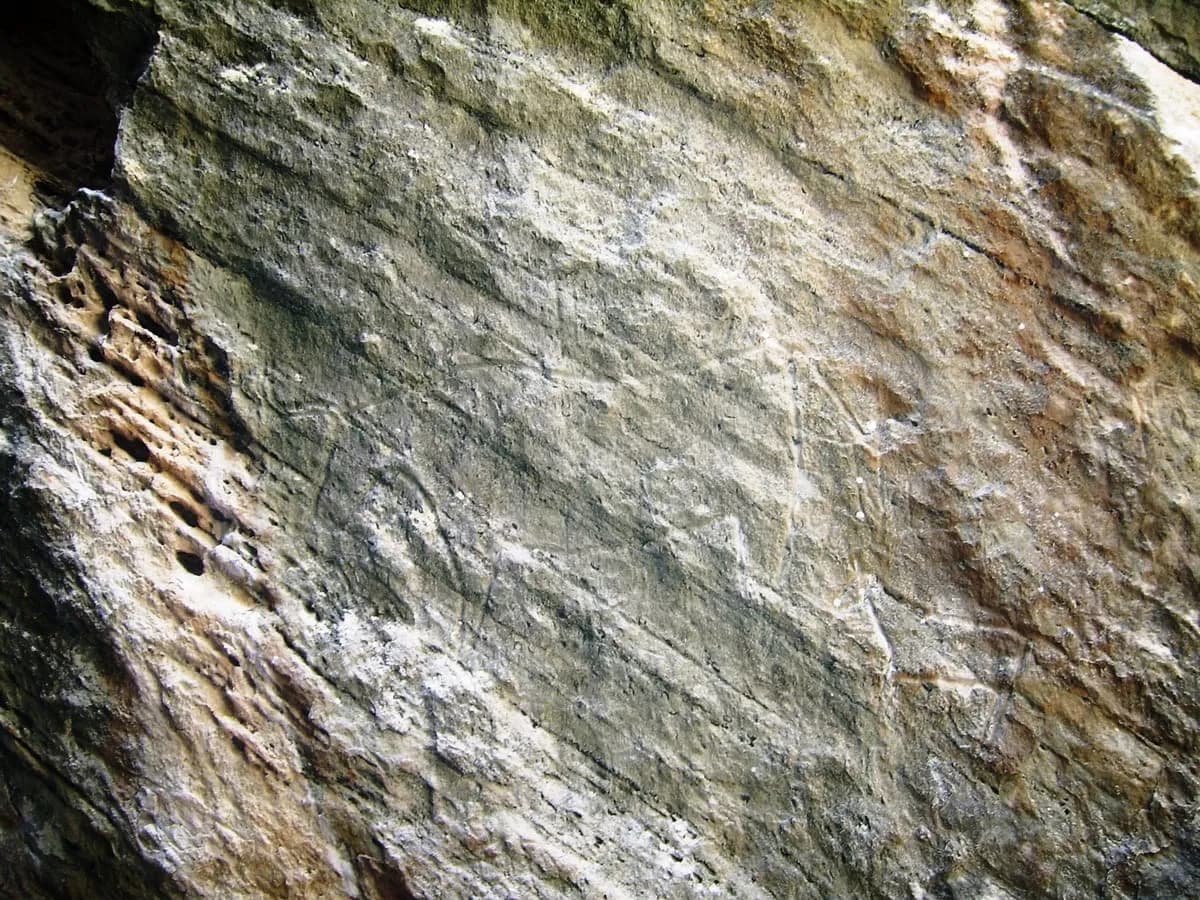
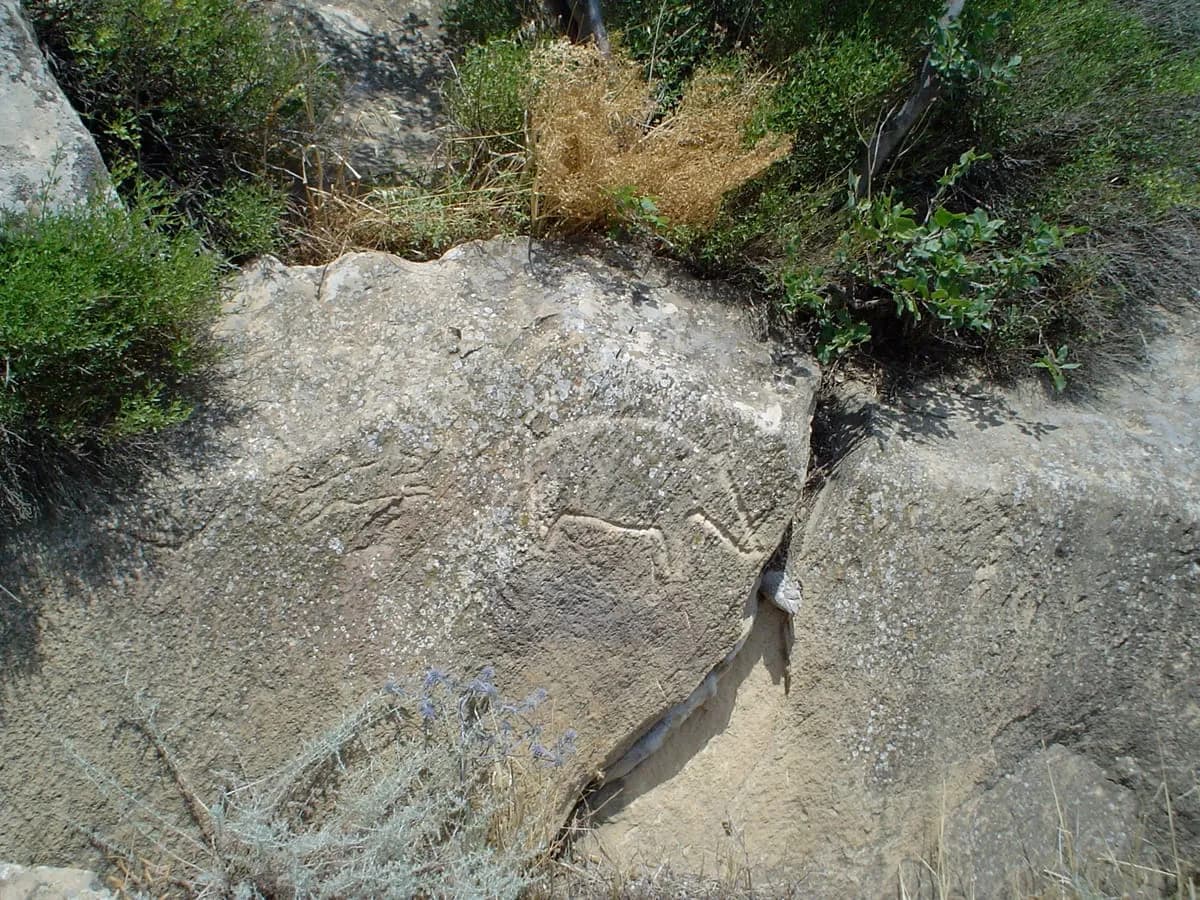
The carvings run from the Upper Palaeolithic to the medieval period. You get hunters and dancers, herds of wild cattle and deer, camel caravans, long reed boats crewed by armed rowers, and shapes that read as rudimentary maps. The reserve holds national status from 2006 and covers 4,535 hectares; the inscribed World Heritage property is a smaller core inside it.
What are Gobustan's opening hours, and is there a day off?
Ten in the morning to five in the afternoon, every day of the week, with no published closing day. That is the Ministry of Culture's own wording for the reserve, and the iTicket.az session grid matches it exactly. We re-read both on 11 August 2026. Last comfortable entry is around 16:00 if you want the outdoor trail unhurried.
| Item | Published position, August 2026 |
|---|---|
| Opening hours | 10:00 to 17:00, all seven days |
| Weekly day off | None published |
| Ticket channel | Dated, timed sessions on iTicket.az, or at the gate |
| Published price | A 1 to 15 AZN band across visitor categories |
| Combined ticket | None with the rock art reserve |
| Managing body | Ministry of Culture, State Service for Cultural Heritage |
That 17:00 close is the single most useful line on this page for anyone building a day. It is three hours earlier than the Absheron fire sites, and it decides the running order of every Baku day trip that tries to hold both.
How much does it cost to enter Gobustan?
The reserve publishes a band, not a price list. iTicket.az shows 1 to 15 AZN across visitor categories and does not say which category pays what. On the standard pattern for Azerbaijani reserves a foreign adult sits at the top of that band, near 15 AZN, with local and student rates well below it. Confirm at the window.
We would rather publish the band we can source than a confident figure we cannot. One thing we can state without hedging: the 1 January 2026 increase that took foreign adult entry from 9 to 15 AZN at Ateshgah, Yanar Dag, Kish, Diri Baba and the Sheki Khan's Palace did not touch Gobustan. Those five sit under the State Tourism Agency's Reserves Management Center. Gobustan sits under the Ministry of Culture, and the two bodies do not move their tariffs together, which is why price pages that lump all Azerbaijani reserves into one number are wrong about at least half of them.
How do you get to Gobustan from Baku?
The reserve is 64 to 65 km south of central Baku, an hour to an hour and a quarter by road toward Alat, good asphalt the whole way. No bus reaches the gate, so it is a private car, a taxi, or a guided day. Almost everyone folds the mud volcano field into the same morning.
That pairing is the routing we use on our 6-day Azerbaijan cultural tour. For a single day out of the city, our 7-hour Gobustan and fire-sites day tour puts the petroglyphs and the mud volcanoes in the morning and Ateshgah and Yanar Dag in the afternoon, with every admission already in the price.
There is also a newer reason this road gets driven, and it applies in only one market. The TBS drama VIVANT filmed its second season in Azerbaijan, and since Baku Media Center, the production partner, named the eight regions where the crew worked, Japanese travellers have been tracing them. Gobustan is not one of the eight. It is simply an hour from Baku, where every route through them begins, which is why the first day on the ground of our ten-day VIVANT-regions tour is spent at the carvings and the mud volcano field. Our VIVANT in Azerbaijan page sets out who has named which places, and on whose authority.
What do you actually see there?
The Petroglyph Museum first, opened in 2011, with interactive screens and a short 3D film that sequences the carvings before you go outside. Then a marked trail across the Boyukdash outcrop to the engravings themselves. The two set pieces are the Gaval Dash and a Latin inscription cut by a Roman legionary at the foot of the rocks.
The Gaval Dash is a flat slab balanced on smaller stones that gives off a hollow, tambourine-like ring when you tap it, and it is thought to have accompanied ritual dances. The Roman inscription dates to around the end of the first century and is often described as one of the easternmost Roman inscriptions found anywhere. Read plainly, it tells you the site was already old enough two thousand years ago to be worth visiting as a curiosity.
Two hours covers the museum and the trail. Budget four and you will spend the last one in the car park. The carvings are also fainter than the photographs suggest, and the light does more work than the time you allow: in flat midday sun you walk straight past panels a guide has to point at twice.
Why is Gobustan a UNESCO World Heritage site?
UNESCO inscribed the Gobustan Rock Art Cultural Landscape in 2007 under criterion (iii), as exceptional testimony to a prehistoric way of life. The inscription covers the rock art and its landscape setting on the three outcrops. It does not cover the mud volcanoes, which lie further south under a different authority and were never part of the listing.
That distinction gets blurred by almost every aggregator page, and it matters at the gate rather than in theory: the two sites sell separate tickets. For the record, the one Azerbaijani mud volcano with any UNESCO standing is the Lok-Batan Mud Cone, which has sat on the country's tentative list since 1998 and is a different feature in a different place. Tentative is not inscribed, and neither status attaches to the field visitors actually go to.
When in the day is best, and how long do you need?
About two hours for the museum and the trail together. Come in the first hour after opening or the last two before the 17:00 close, when low-angle light throws the carvings into relief. Spring and autumn beat summer by a wide margin, because the plateau has no shade anywhere on it.
There is no dusk visit here, which separates Gobustan from the Absheron fire sites. The gate shuts at 17:00, so the best light in June is simply unavailable to you. For operators sequencing departures across a whole year rather than booking one morning, our month-by-month planner's calendar covers the hotel-squeeze weeks and the khazri wind alongside the same daylight problem.
Can you combine Gobustan with the mud volcanoes?
Yes, and nearly everyone does. The Gobustan mud volcanoes are a separate natural site further south with their own gate, their own ticket and their own managing agency. There is no combined ticket with the rock art. Between the carvings and the bubbling cold cones you get a full, varied half-day out of Baku.
Do the carvings first. The mud field is flat, exposed and slippery after rain, and it reads better as a contrast after an hour of prehistory than as a warm-up to it.
What we would not recommend
Three things, each of which has cost visitors a morning. Do not hunt for the reserve's official website, because the address on file is dead. Do not run the day north to south, because Gobustan closes three hours earlier than the fire sites. And do not assume an Absheron combo ticket opens this gate.
On the website, the Ministry of Culture still lists www.gobustanrockart.az, and neither that address nor gobustan-rockart.az resolved when we checked on 11 August 2026. Book the dated session on iTicket.az or buy at the gate. The search results that fill the gap left by a dead official domain are lookalike resellers, and they charge for the privilege.
On the running order, Gobustan closes at 17:00 while Ateshgah runs to 20:00. A group that starts north because the fire sites are closer to the hotel reaches the Gobustan gate after it has shut. We have watched that happen from the car park more than once.
On the ticket, the 35 AZN combo covers Ateshgah, Yanar Dag and the mud volcano complex, all three under the State Tourism Agency, and it is valid 72 hours from first use for one person. Gobustan is not in it and cannot be added to it.
For travel agents pricing a Baku day that has to hold both Gobustan and the Absheron fires inside opening hours, the running order and the four admissions are set out on our Gobustan and fire-sites day tour.
- What are Gobustan's opening hours?
- Daily 10:00 to 17:00, every day of the week, with no published weekly closing day. That is the Ministry of Culture's own wording for the reserve, and the iTicket.az session grid matches it exactly. Both were re-read on 11 August 2026. Aim to be through the gate by 16:00 if you want the outdoor trail unhurried.
- How much does it cost to visit Gobustan?
- The reserve publishes a band rather than a price list. iTicket.az shows 1 to 15 AZN across visitor categories, checked 11 August 2026, without saying which category pays what. On the standard pattern for Azerbaijani reserves a foreign adult sits at the top of that band, near 15 AZN. Confirm the exact rate at the window.
- How do you get to Gobustan from Baku?
- Gobustan is 64 to 65 km south of Baku, an hour to an hour and a quarter by road toward Alat on good asphalt. No bus reaches the reserve gate, so the practical options are a private car, a taxi, or a guided day trip, usually paired with the mud volcanoes further south.
- Is Gobustan worth visiting?
- For anyone interested in prehistory it is one of Azerbaijan's strongest half-days. The carvings span tens of thousands of years and the on-site museum is genuinely good. It is also a two-hour site, not a full day, so plan it as a morning and add the mud volcano field rather than stretching it.
- How old are the Gobustan petroglyphs?
- The carvings were made over a very long span. UNESCO describes 40,000 years of rock art at the site, from the Upper Palaeolithic to the medieval period, with many individual engravings dated to several thousand years old. There is no single date for the site, which is part of why it was inscribed.
- Are the Gobustan mud volcanoes part of the UNESCO site?
- No. The 2007 inscription covers the Gobustan Rock Art Cultural Landscape and nothing else. The mud volcanoes lie further south, sit under a different managing agency, carry a separate ticket, and have never been on the World Heritage list. The mud volcano that does appear on Azerbaijan's tentative list is Lok-Batan, a different cone.
- Can you combine Gobustan with the mud volcanoes?
- Yes, and nearly everyone does. The two sites are close but administratively separate, so you buy two tickets. The 35 AZN Absheron combo sold with Ateshgah and Yanar Dag covers the mud volcano complex and does not cover the Gobustan rock art. Guided day trips from Baku fold both admissions into one price.
- Is there an official Gobustan website to book through?
- Not a working one. The Ministry of Culture still lists www.gobustanrockart.az for the reserve, and neither that address nor gobustan-rockart.az resolved when we checked on 11 August 2026. Book the dated session through iTicket.az, or buy at the gate, and ignore lookalike domains selling tickets at a markup.
Tour package
6-Day Azerbaijan Cultural Tour from Baku
Destination
Gobustan Mud Volcanoes: cold mud cones and how to visit from Baku
Destination
Old City of Baku (Icherisheher): walls, Maiden Tower, and how to visit
Destination
Yanar Dag (Burning Mountain): the ever-burning hillside near Baku
Experience
Gobustan, Mud Volcanoes & Absheron Fire Tour from Baku
Guide
The eight VIVANT filming regions: distances, drive times and how they connect