Japanese-speaking guides in Azerbaijan: tours, availability and booking
explainer · 5 min read
Arrange Japanese-speaking guides in Baku and across Azerbaijan with hotels, private transport and airport transfers. Learn what to send for a dated quote, how to confirm the guide and how to plan full or partial Japanese-language coverage.
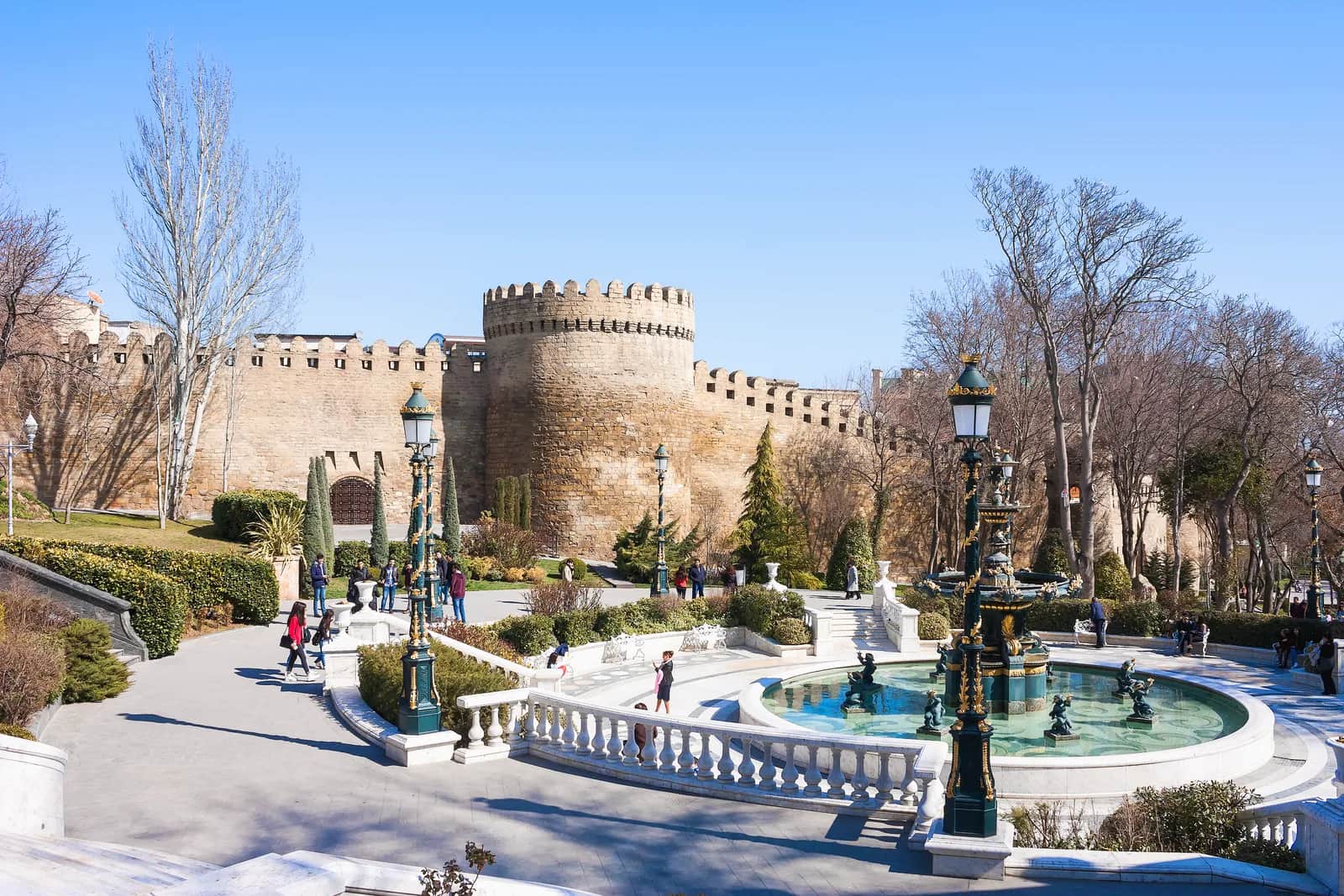

Birtour arranges Japanese-speaking guides for Baku and Azerbaijan programmes, together with hotels, private transport, airport transfers and visits. Both individual travellers and travel agencies can send one brief for the complete ground programme.
For a private journey, start with our Azerbaijan private tours. For travel-trade NET arrangements, use the Japanese agency land-operator guide. Guide availability is confirmed against the requested dates and itinerary.
What should your guide request include?
Send arrival and departure dates, adult and child numbers, cities, guiding days, hotel category and whether you are a traveller or an agency. Specify whether Japanese-language coverage is needed throughout the journey or only on selected sightseeing days.
For other requested languages, include the same information in the brief. We confirm the guiding arrangement for the actual programme.
How is a Japanese-language guiding day arranged?
Send us the dates, the route and the party size. We check those dates against who is actually free, and we come back either with a guide, or with a no and the nearest dates that work. We do not take the booking first and look for the guide afterwards, because on this language that order of operations is how a group ends up with an apology at the airport.
Before you confirm, you get the name of the guide and what they have guided. If you want to brief them yourself, in Japanese, before your group lands, we will put you in touch. For a Japanese wholesaler that briefing call is usually worth more than any assurance we could write on a web page.
How can you check a proposed guide's certification?
The Azerbaijan Tourism Board's guide certification body publishes its accreditation and application requirements, including a language-proficiency document for foreign-language guiding.
Its public certified-guide directory has name and certificate-ID search and language filters, including Japanese. A listing supports a certification check; it does not reserve a guide for your dates or demonstrate current conversation skills and experience on every route. Ask about the proposed guide's itinerary experience and request a Japanese-language briefing before departure if useful.
What does a Japanese-speaking guide cost per day?
We are not publishing a day rate here. Guiding is quoted as a per-day line by language inside a net-rate sheet, next to room nights, transfers and entrance fees, which is the format the whole of our net rates and B2B pricing guide is built on. The Japanese-language line is priced per booking and quoted with the rest of the costing.
The quote specifies guiding days, language, route, transport and other included services. For a traveller request, describe the party and itinerary; for an agency request, include rooming and the required NET breakdown.
How far ahead should you ask?
Ask while your travel dates are flexible and before committing to non-refundable arrangements. If you need several groups or Japanese-language coverage throughout a regional itinerary, include all guiding days in the same request. Alternative dates can help us compare workable programmes.
Baku is five hours behind Japan. Include your preferred contact time for a pre-trip briefing.
What happens when no Japanese-speaking guide is free?
You hear it before you book. Then there are three things worth discussing, and none of them pretends to be the first choice.
The first is moving the date. If your group is not tied to a departure, a shift of a few days often solves it outright, and we will tell you which days are open rather than asking you to guess.
The second is running the programme in English with your own tour conductor interpreting, which is how a good deal of Japanese group travel already works. That is a real option for a wholesaler with staff on the trip and a poor one for two people travelling alone.
The third is splitting the programme. If a Japanese-speaking guide is free for part of your stay, we say which days, and we would put those days on the ones where the language earns the most: the Sheki day rather than the airport transfer, the museum rather than the drive.
What should the final proposal confirm?
Confirm the guide language, assigned guiding days, route, transport, hotel category, inclusions and booking terms. If Japanese-language coverage is available for part of the journey, agree the remaining days and language arrangement before booking.
Discuss the proposed guide's experience and Japanese-language communication directly in the pre-trip briefing. For agency contracting, see how to choose an Azerbaijan DMC.
Disclosure
Birtour is not affiliated with TBS, with the VIVANT production committee, or with the travel companies selling packaged VIVANT departures. We are a destination management company based in Baku. This page describes how we arrange Japanese-language guiding.
For a Japanese agency costing a land-only arrangement rather than reselling a package, how we contract with Japanese agencies is set out on our land operator page for Japanese travel agencies, the locations and the distances between them are on our VIVANT in Azerbaijan page, the building at the end of the Sheki road is covered on the Sheki Caravanserai page, and the contracting side sits on our Azerbaijan DMC page.
Frequently asked
- Does Birtour arrange Japanese-speaking guides in Azerbaijan?
- Yes. We work with Japanese-speaking guides today. Availability is confirmed for your specific dates before you book rather than held as a standing capacity, so send the dates and the route and we will tell you whether we can cover them.
- How is Japanese-speaking guide availability confirmed?
- Send your dates, party size, route and required guiding days. Birtour checks availability for the programme and confirms the guiding arrangement in the dated proposal before booking.
- Are tour guides in Azerbaijan certified, and does it help me?
- Certification exists and it is voluntary. The Azerbaijan Tourism Board runs a guides certification body accredited to AZS ISO/IEC 17024:2024, and an applicant must supply a language-proficiency document for every foreign language they intend to guide in. The public certified-guide directory can be searched by name or certificate ID and filtered by language, including Japanese. Check the proposed guide’s entry, experience and availability for your itinerary.
- What does a Japanese-speaking guide cost per day in Azerbaijan?
- There is no day rate published on this page. Guiding is quoted as a per-day line by language inside a net-rate sheet, alongside transport, hotels and entrance fees, and the Japanese-language line is priced per booking. Send your dates and party size and the figure arrives with the rest of the costing.
- How far ahead should a Japanese agency ask about a Japanese-speaking guide?
- Ask while your travel dates are still flexible, especially for multi-day programmes or several groups travelling together. Send alternative dates if possible; the proposal confirms the available guiding days for your itinerary.
- What happens if no Japanese-speaking guide is available on my dates?
- We tell you before you book, not after. From there the options are to move the date to one that works, to run the programme in English with your own tour conductor interpreting, or to split it so the Japanese-speaking guide covers the days that need the language most. We will say which days those are.
Related
Guide
Birtour as an Azerbaijan land operator for Japanese travel agencies
Guide
Baku ground handling for groups and MICE: what an operator gets on the day
Guide
Azerbaijan DMC NET rates: how to read and request a B2B quote
Guide
Azerbaijan's best season: which months work, and how they line up with the Japanese calendar
Guide
How Birtour runs ground operations for tour operators in Azerbaijan
Destination
Sheki Caravanserai: the silk-road merchants' inn, and how to visit