Yanar Dag (Burning Mountain): the ever-burning hillside near Baku
Baku · about 30 to 40 minutes from Baku
Yanar Dag is a natural gas fire on a hillside on the Absheron Peninsula about 25 km from Baku, where methane seeps up through porous sandstone and burns continuously in the open air. The flame runs along the foot of the slope and gives Azerbaijan its Land of Fire (Odlar Yurdu) name. It has been a State Reserve since 2007 and has an on-site museum.
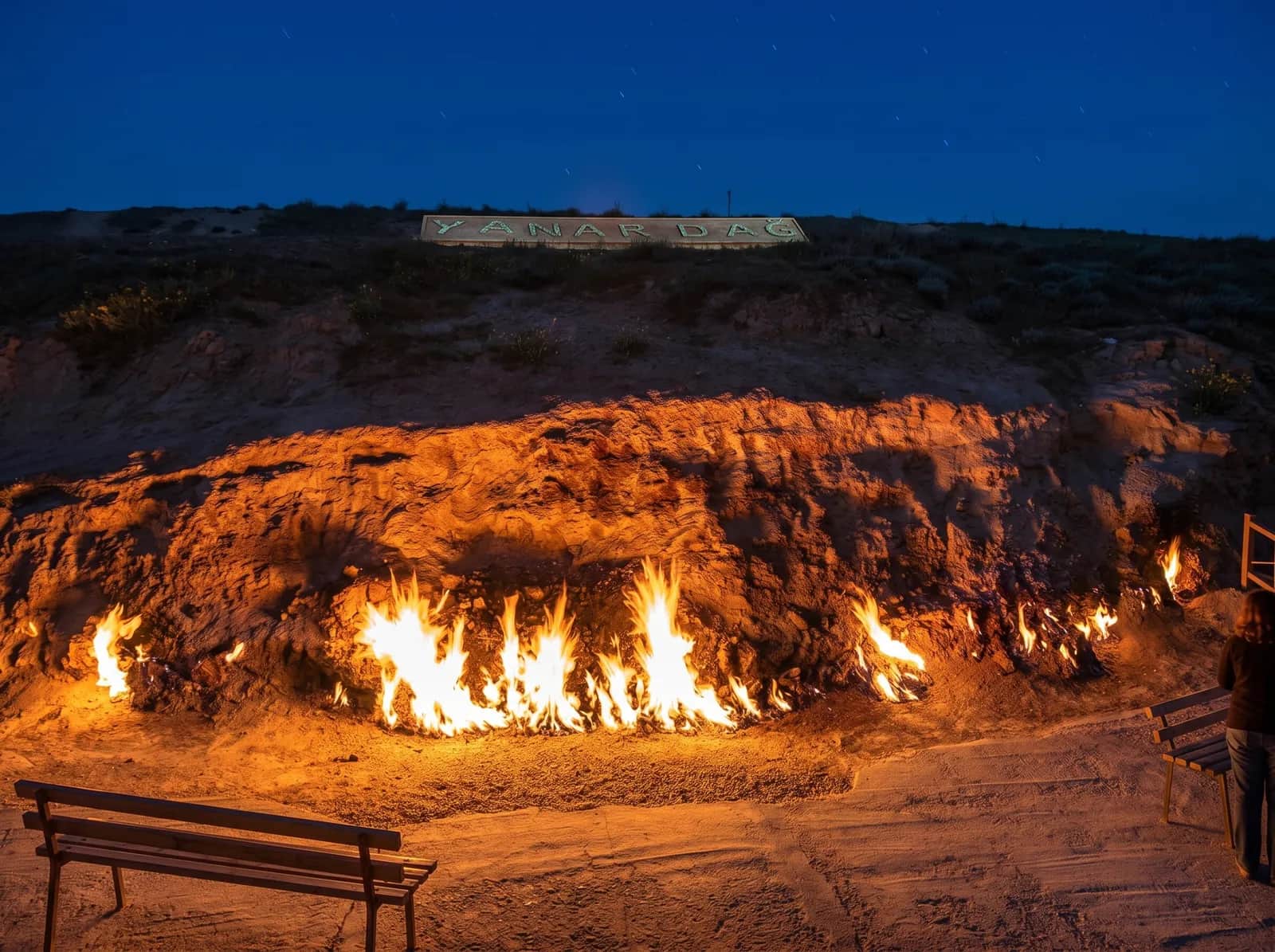
- Region
- Absheron
- From Baku
- 25 km · about 30 to 40 minutes
- Best season
- Year-round; best in the last hour before closing
- Time to spend
- 30 to 60 minutes
- Entry
- Published tariff, checked 11 August 2026: 15 AZN for foreign visitors, 2 AZN for residents, 1 AZN for university students with ID. Free for under-18s and for foreign visitors under 12. Combined ticket with the Ateshgah Fire Temple 25 AZN, valid 72 hours; three-site combo with the mud volcano complex 35 AZN
- Hours
- The reserve's own site publishes daily 10:00 to 19:00; the iTicket.az combo listing sells sessions to 20:00. Both re-read on 11 August 2026 and they disagree, so plan against 19:00 and confirm the closing time on arrival
- A continuous wall of flame along the base of the hill, brightest in the last hour before the gate closes
- Benches and a viewing area set directly in front of the fire
- The on-site museum explaining the natural-gas phenomenon and the Land of Fire identity
- A 25 AZN combined ticket with the Ateshgah Fire Temple that now stays valid for 72 hours
- A closing time the reserve and its ticketing channel do not agree on: 19:00 on one, 20:00 on the other
Half an hour north of Baku, a slope on the Absheron Peninsula has been on fire for as long as anyone living remembers. The flame is not a stunt and not a leftover lava flow. It is natural gas, and it burns in the open whatever the weather throws at it. Here is what you are looking at, what it costs at the gate in August 2026, when in the day to arrive, and how to fold in the Fire Temple a short drive away.
What is Yanar Dag?
Yanar Dag, the burning mountain, is a band of natural fire at the foot of a low hill 25 km north of Baku, fed by methane that seeps up through porous sandstone and ignites on contact with the air. It has been a State Historical, Cultural and Natural Reserve since 2007 and has an on-site museum.
The flame runs along the base of the slope rather than rising from a crater, and it holds in rain, wind, and snow. Seeps like this across the Absheron Peninsula are why Azerbaijan is called Odlar Yurdu, the Land of Fire. The museum beside the viewing area covers the geology and the naming.
How much is entry to Yanar Dag in 2026?
The reserve's published tariff is 15 AZN for foreign visitors, 2 AZN for residents and 1 AZN for university students with valid ID. Under-18s enter free, as do foreign visitors under 12. We re-read that page on 11 August 2026, because the 9 AZN figure still circulating online comes from 2024-vintage blog posts.
| Ticket | Published price, August 2026 |
|---|---|
| Foreign adult | 15 AZN |
| Resident | 2 AZN |
| University student with valid ID | 1 AZN |
| Under 18, and foreign visitors under 12 | Free |
| Guided tour, 2 hours, in Azerbaijani | 3 AZN |
| Guided tour, 2 hours, other languages | 10 AZN |
| Yanardag plus Ateshgah combo | 25 AZN, valid 72 hours |
| Yanardag, Ateshgah and the mud volcano complex | 35 AZN, valid 72 hours |
Parties of ten or more take 10 percent off. Free entry also covers National Heroes, people with disabilities, war veterans and their immediate families, and first-degree martyrs' families. The reserves sell dated, timed sessions with QR entry through iTicket.az now rather than a paper ticket at the window; one ticket covers one person, and the combos are non-refundable and non-exchangeable.
What time does Yanar Dag close?
The two official channels disagree. The reserve's own site publishes daily 10:00 to 19:00 with no day off; the iTicket.az combo listing sells sessions running to 20:00. We re-read both on 11 August 2026 and could not resolve it, so we plan against 19:00 and treat the extra hour as a bonus if it exists.
That gap matters more here than it would at a museum, because the whole argument for a late arrival is the light. An itinerary built on 20:00 and met by a 19:00 gate loses the visit, not just the last hour of it. Ateshgah is the site that genuinely runs to 20:00, which is why we send groups north to Yanar Dag first and finish at the temple.
Is Yanar Dag worth visiting?
If you have a spare evening near Baku, yes, with the caveat that the fire itself takes a few minutes to take in. Treat it as a short stop rather than a half-day on its own. What earns the trip is the pairing with the Ateshgah Fire Temple a short drive south.
That routing is exactly how we run the Absheron leg of our 6-day Azerbaijan cultural tour: the two fire sites, the museum, and back into the city, with the rest of the day left for the Old City rather than spent on the road.
How long has the Yanar Dag flame actually been burning?
Less time than the postcards suggest. The Absheron gas seeps are genuinely ancient and travellers wrote about open flames here for centuries, but local accounts date this particular hillside fire to a shepherd in the 1950s. The flame is real and self-sustaining. The thousand-year framing is marketing.
We would rather say that than have a guest read a plaque, do the arithmetic, and start doubting everything else the guide has told them that day.
How high are the flames at Yanar Dag?
Roughly one to three metres, spread across about ten metres of hillside. Wide-angle lenses and long exposures do the rest of the work in the photographs you have seen, and the ten-metre figure quoted online does not match what is in front of you. On the ground it reads as a long, low, bright line.
It is still a striking thing to stand a few metres from, and the heat is real enough that the front bench is uncomfortable in July and welcome in January.
How do you get to Yanar Dag from Baku?
Yanar Dag sits about 25 km northeast of central Baku on the Absheron Peninsula, a drive of roughly 30 to 40 minutes. There is no convenient direct public transport to the gate, so in practice you arrive by taxi, private car, or on a guided tour that also takes in the Fire Temple.
If you are taking a taxi, agree the return leg before you get out. The car park empties as the gate closes and there is nothing else out there to wait in.
What is the best time of day to see Yanar Dag?
Dusk, while the gate is still open. The flame burns around the clock but barely registers against a bright hillside in the middle of the day, and it separates from the slope sharply once the light drops. The reserve closes in the evening, so aim for the last hour before it shuts.
The season decides whether that is possible. Baku sunset falls around 17:15 in late December, comfortably inside opening hours, so a winter visit can be a proper dusk visit. In June the sun goes down close to 20:00, after the reserve has shut, so a summer visit is a daylight visit whatever the itinerary promises. For groups being sequenced across a whole year rather than a single evening, our month-by-month planner's calendar covers the same trade-off at Gobustan and in the mountains.
Can you combine Yanar Dag with the Ateshgah Fire Temple?
Yes, and the two reserves sell a combined ticket at 25 AZN that stays valid for 72 hours from the booked session. Ateshgah is a short drive south at Surakhani and runs to 20:00. The pair no longer has to sit in the same half-day, which is new for 2026.
They are easy to confuse but are not the same thing. Yanar Dag is a natural fire breaking out of the ground on its own. Ateshgah is a walled, pentagonal temple where the original natural flame went out around 1969 and the fire you see now is fed by piped gas. Our 7-hour Gobustan and fire-sites day tour goes further and adds the Gobustan petroglyphs and the mud volcanoes to the same day, with every admission already inside the price.
What we would not recommend
Three things. Do not build a Yanar Dag evening around a summer sunset, because the gate closes before the sun does. Do not buy the 25 AZN combo separately if you are already booked on a tour that includes both admissions. And do not turn up with a tripod and a full rig expecting to shoot freely.
On the photography point, the reserve requires written permission from its administration for professional photo or video work. A phone or a handheld camera is not the issue. A commercial shoot, a drone or a crew with lights is, and permission is asked for in advance rather than negotiated at the gate.
On the combo, the 25 AZN ticket exists for independent travellers and only pays for itself if you split the two fire sites across different days inside its 72-hour window. If both are already in a tour price, buying it again is money spent twice.
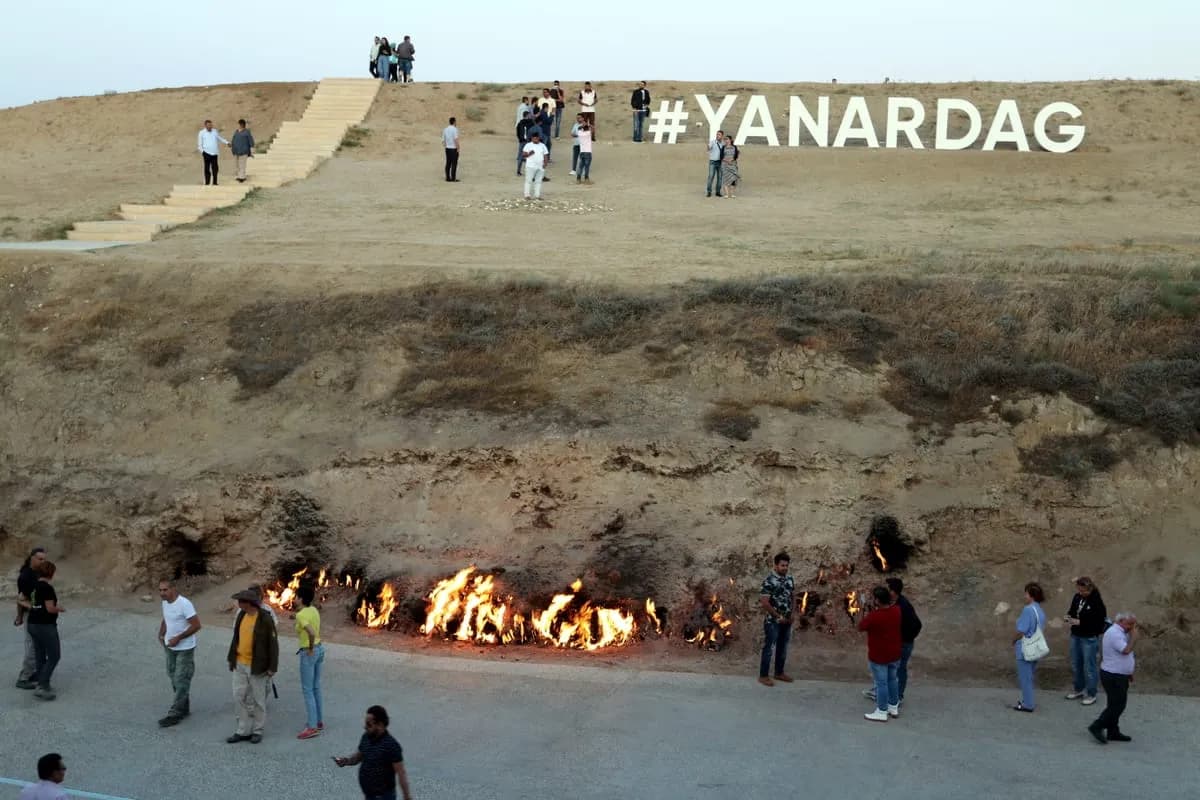
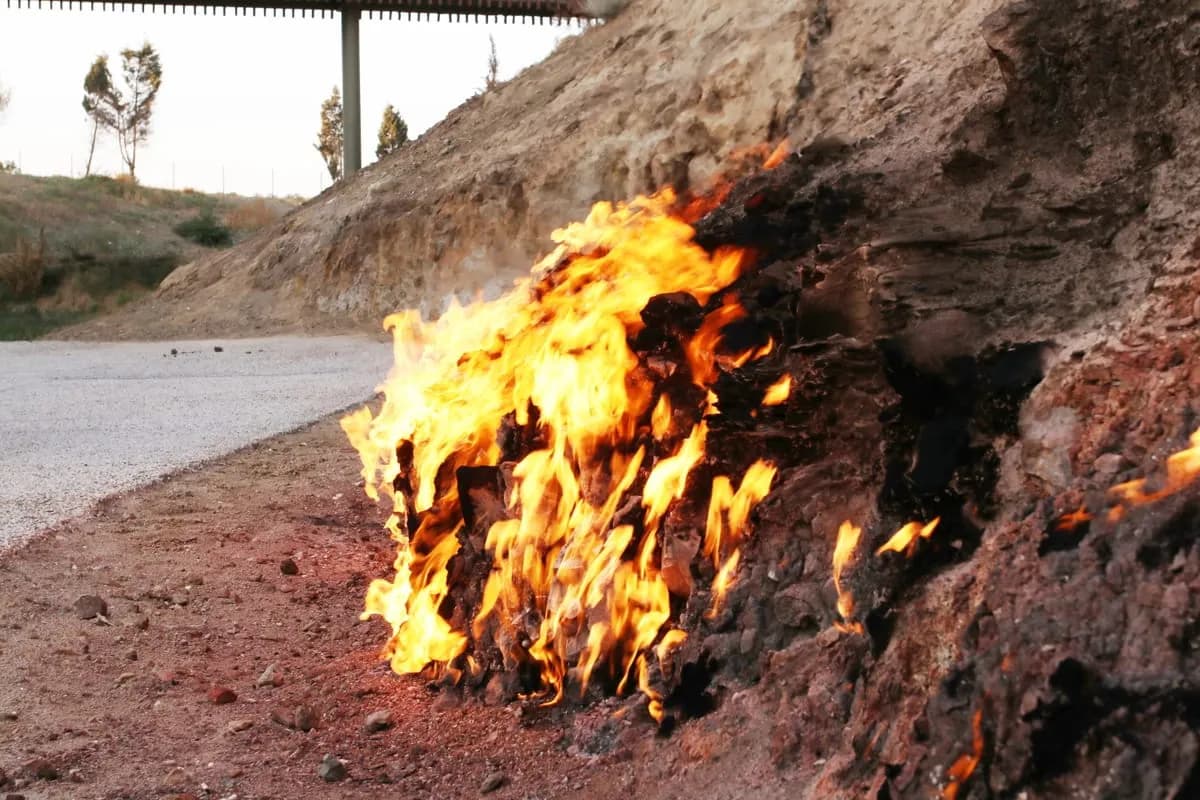
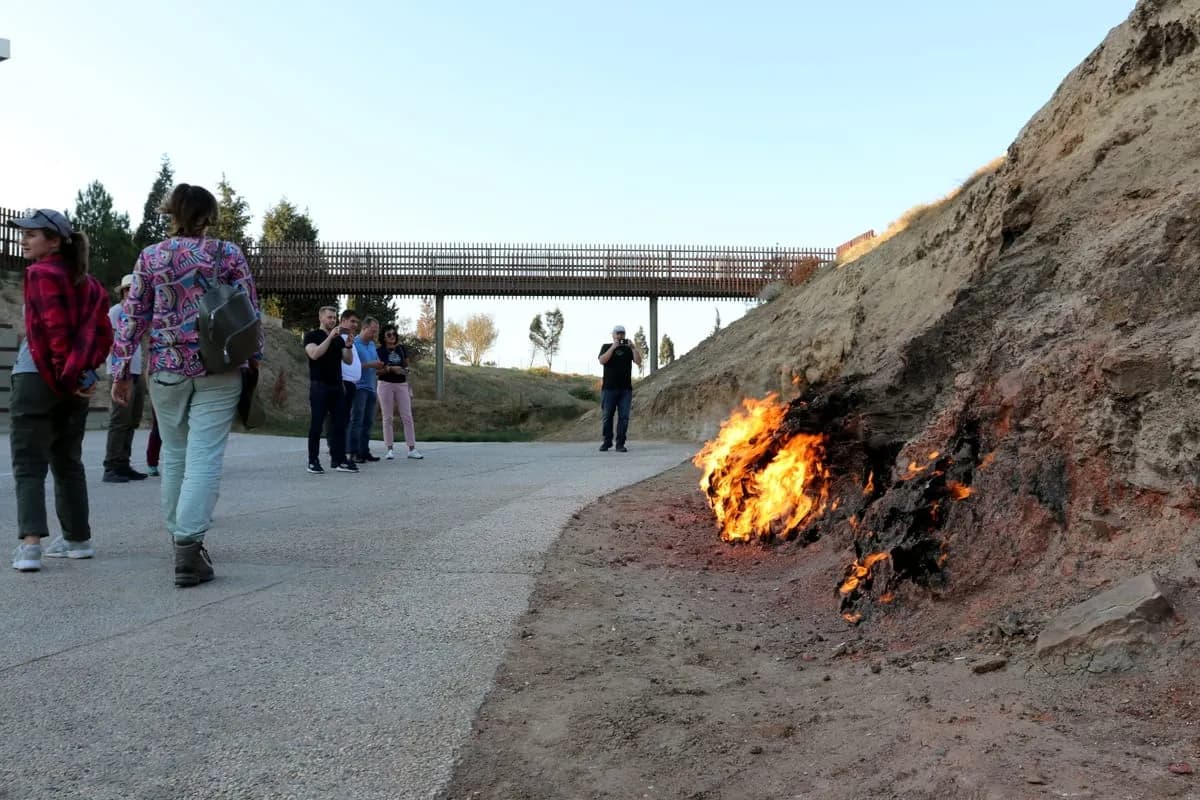
- What is Yanar Dag?
- Yanar Dag, meaning burning mountain, is a natural gas fire on a hillside about 25 km from Baku. Methane rises through porous sandstone and ignites in the open air, so the flame burns continuously in any weather. It gives Azerbaijan its Land of Fire name and is now a state reserve with a museum.
- How much is entry to Yanar Dag?
- The reserve's published tariff, re-read on 11 August 2026, is 15 AZN for foreign visitors, 2 AZN for residents and 1 AZN for university students with valid ID. Under-18s and foreign visitors under 12 enter free, and parties of ten or more get 10 percent off. The 9 AZN figure still circulating online is out of date.
- What time does Yanar Dag close?
- The two official channels disagree, and we would rather say so. The reserve's own site publishes daily 10:00 to 19:00 with no day off, while the iTicket.az combo listing sells sessions to 20:00. Both were re-read on 11 August 2026. Plan the visit against 19:00 and confirm the closing time when you arrive.
- Is Yanar Dag worth visiting?
- If you have a spare evening near Baku, yes. The visit is short, but a steady wall of natural fire on an open hillside is a genuine oddity, and the museum adds useful context. It works best paired with the Ateshgah Fire Temple, which fills out an Absheron half-day from the city.
- How do you get to Yanar Dag from Baku?
- Yanar Dag sits about 25 km northeast of Baku on the Absheron Peninsula, roughly 30 to 40 minutes by road. There is no convenient direct public transport to the gate, so most people come by taxi, private car, or guided tour, usually combined with the nearby Fire Temple at Surakhani.
- Do you need to book Yanar Dag tickets in advance?
- Not usually, but the channel has changed. The Absheron reserves now sell dated, timed sessions with QR entry through iTicket.az rather than a paper ticket at the window, and the combined tickets are sold there too. One ticket covers one person, and combos are non-refundable and non-exchangeable once booked.
- What is the best time to see Yanar Dag?
- Dusk, when the gate is still open. The flame burns around the clock but barely registers against a bright hillside at midday. In December the sun sets around 17:15, well inside opening hours. In June it sets close to 20:00, after the reserve has shut, so a summer visit is a daylight visit.
- Can you combine Yanar Dag with the Fire Temple?
- Yes, and the two reserves sell a combined ticket at 25 AZN that stays valid for 72 hours from the booked session. Ateshgah is a short drive south at Surakhani and runs to 20:00. They are not the same thing: Yanar Dag is a natural open-air fire, while Ateshgah is a built temple whose flame today runs on piped gas.
- Can you take photographs at Yanar Dag?
- Personal photography is fine. Professional photo and video work is not: the reserve requires written permission from its administration, and that applies to commercial shoots, drones and full rigs rather than to a phone or a handheld camera. Ask before you arrive if you are shooting anything beyond snapshots.
Tour package
6-Day Azerbaijan Cultural Tour from Baku
Destination
Ateshgah Fire Temple, Baku: history, the piped flame, and how to visit
Destination
Gobustan Rock Art: petroglyphs, museum, and how to visit
Experience
Gobustan, Mud Volcanoes & Absheron Fire Tour from Baku
Guide
Best time to run a group program in Azerbaijan: a month-by-month planner's calendar