Five days of Jewish heritage in Azerbaijan: the shape that works, and why
explainer · 5 min read
An illustrative five-day Baku and Quba Jewish heritage route, with the decisions behind an overnight stay, community access, meals and Shabbat planning. Every visit and hosted experience requires date-specific confirmation.
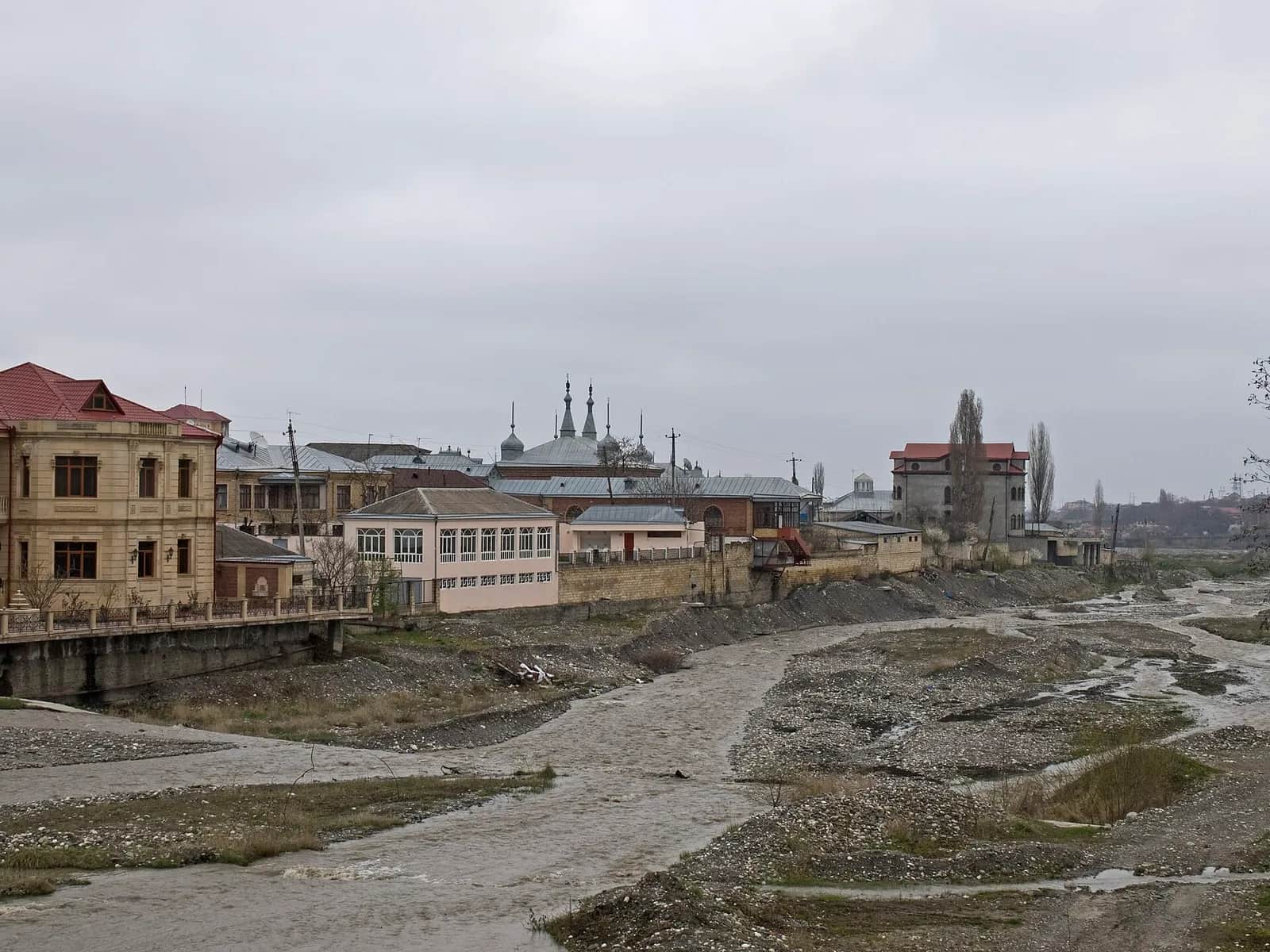

This illustrative five-day route combines Baku Jewish heritage with Krasnaya Sloboda and Quba. Birtour arranges the hotels, transport, guides and activities around your dates, dietary requirements and confirmed visits. Five days is an example, not a minimum: a Baku city visit or a shorter northern excursion can suit a different brief.
For the complete service, see Jewish heritage programmes in Azerbaijan. Request a programme for your dates.
Day 1 — Arrive Baku
Plan a private airport transfer, a suitable city-centre hotel and, if needed, a kosher dinner subject to current supplier confirmation. Visas and the route are covered separately in the practical guide for Israeli travellers.
If the group observes Shabbat, check the walking route between the selected hotel and the relevant congregation. Agree meal arrangements and access for the dates before selecting the hotel.
Day 2 — Baku, and the story before the people
Morning: the synagogues. Azerbaijan Travel's Baku heritage guide records that the Ashkenazi and Georgian synagogue opened in 2003 and that the Mountain Jews synagogue has functioned since 1945, with reconstruction in 2011. These are historical landmarks, not confirmed group appointments. Ask each congregation about access and visiting conditions for your dates; the synagogues guide covers the wider shortlist.
Lunch can be planned around the group's dietary requirements; any community venue or supervised meal needs a separate booking.
Afternoon option: a Baku Jewish-history walk. Request a suitable historian or specialist guide for the dates rather than assuming a community appointment is included.
Evening free. Deliberately. Day three is long.
Choosing the order: match city visits and the northern programme to the flights, opening hours and confirmed appointments. The route can run in either direction.
Day 3 — North to Quba
Allow a substantial road journey from Baku to Quba. The pickup address, stops, traffic, weather and destination in Krasnaya Sloboda determine the actual timing; confirm it in the transport plan before fixing museum or community appointments.
Late morning: request a visit to the Six-Dome Synagogue, a working house of worship. Confirm access, group size, timing and photography rules with the congregation before including an interior visit in a booked programme.
Lunch option: ask whether a local family is willing and available to host this particular group. Confirm the host, menu, dietary supervision, group size and privacy terms in advance. If private hosting is unavailable, arrange a suitable alternative meal without presenting it as a community encounter.
Afternoon: the Gilaki Synagogue and historic cemetery, with interior access and any guided visit confirmed separately.
Overnight in Quba town.
Why the overnight: it gives the group more usable time in Quba and reduces pressure to fit the museum, synagogues and meals into one short window. It does not itself secure after-hours museum access or private hosting.
Day 4 — The museum, and the language
Visit the Museum of the History of Mountain Jews during its published opening hours. A guided or after-hours visit is an additional request requiring the museum's confirmation.
Optional: request a Juhuri language or culture session if a suitable host is available.
If the day is a Friday: ask the congregation whether participation is appropriate and possible for this group. Build accommodation and meal arrangements around the confirmed answer; Krasnaya Sloboda should never be sold as a guaranteed Shabbat experience based on season alone.
Day 5 — Quba morning, Baku evening
An optional regional visit can be included if it matches the group's interests and leaves sufficient time for the return journey.
Drive back. Late lunch in Baku. Airport.
One planning note: build the transfer off the flight, not off the lunch. The M1 return time varies enough that a squeezed-in Baku sight gets cut, and the group notices it was cut.
Where kosher and Shabbat sit in all this
Agree the required kosher standard before selecting meals or a hotel. For Quba, ask a qualified supplier to confirm preparation, supervision, transport or host arrangements in writing; no universal lead time or availability is promised. The kosher and Shabbat guide explains the planning questions, but current sunset times and supplier capacity must be checked for the dates.
Choosing a shorter heritage programme
A Baku city programme can focus on the requested synagogue visits and a specialist history walk. A Quba day trip adds Krasnaya Sloboda but leaves less time after the return drive. An overnight gives more room for the museum and separately confirmed community appointments. Choose the format from the actual travel time, opening hours and guest priorities.
Family hosting is an optional request. It does not need to be the reason to visit, and the route should remain useful with a confirmed alternative meal.
What this is not
This is a sample route. Couples, families, private groups and tour operators can request a dated proposal. The quotation identifies the hotels, transport, guide language, meals and included visits for that party.
Send the brief with dates or season, headcount, kosher standard, whether the group keeps Shabbat, and the required guide language. Hebrew-speaking guide availability should be checked for the requested dates. Ask for the proposal's delivery date and for each community visit, meal and guide service to be marked as confirmed or pending. The longer version of what makes a brief answerable is in how to request an Azerbaijan DMC quote.
- How many days do you need for Jewish heritage in Azerbaijan?
- Five days is one sample format with a Quba overnight. A Baku-only heritage visit, a Quba day trip or a longer stay can also be planned. Choose the length around arrival flights, museum hours, requested community visits, dietary requirements and travel pace.
- Why does the Quba overnight matter so much?
- A same-day round trip from Baku uses much of the day on the road. An overnight leaves more time for the museum and any separately approved community visit or hosted meal. An after-hours museum visit or family lunch is possible only if the relevant host confirms it for the requested date.
- Where does Shabbat go in this itinerary?
- Plan around the group's observance, dates, accommodation and the relevant congregation's confirmation. Baku is the practical starting point; a Krasnaya Sloboda Shabbat programme must be requested directly and cannot be inferred from the season alone.
- Can the programme be done in reverse, Quba first?
- Yes. Starting in Baku usually gives visitors context before the Quba programme, but the order should follow arrival flights, museum hours, accommodation and any community appointments that are actually confirmed.
- What does day five look like if the group is flying out that evening?
- Plan the airport transfer from the flight time, return-drive duration and an appropriate buffer. Include an extra visit or meal only if the actual schedule allows it.
- Is this a fixed departure we can book?
- No. This is an illustrative route. Send dates, group size, guide language, dietary needs and requested community visits for a proposal that distinguishes confirmed services from requests.